Discover the charm of Cape Cod beach cottages. From classic architecture to the best towns for cottage living, find your perfect coastal retreat on the Outer Cape.
There is something magical about a Cape Cod beach cottage. The weathered shingles that have silvered in the salt air. The screen door that creaks just so. The morning light filtering through windows that frame a view of the dunes or bay. For generations, these modest homes have embodied a particular vision of coastal living that larger houses simply cannot replicate.
Cape Cod cottages represent more than a property type. They represent a philosophy of beach living that prioritizes simplicity, connection to nature, and the gentle rhythms of coastal life. Whether you are seeking a summer retreat, a year-round residence, or an investment property with character, understanding what makes a Cape Cod cottage special helps you find the right property for your goals.
This guide explores everything you need to know about Cape Cod beach cottages, from their distinctive architecture to the best towns for cottage living, current market pricing, and the lifestyle that draws buyers to these beloved properties.
What Defines a Cape Cod Cottage
The Cape Cod cottage emerged from practical necessity and has evolved into an architectural icon. Understanding what distinguishes a true cottage from other property types helps buyers appreciate why these homes command such devotion from their owners.
Historical Roots
Cape Cod cottages trace their origins to the early colonial period when English settlers adapted their building traditions to the harsh New England climate. The earliest versions were simple one-and-a-half story structures designed to withstand fierce winter storms while maximizing limited materials and heating efficiency.
By the late 1800s, as Cape Cod became a summer destination for Boston families seeking relief from city heat, a distinct vacation cottage tradition emerged. These summer homes were deliberately unpretentious, designed for sandy feet and salt-crusted swimsuits rather than formal entertaining.
The post-World War II era brought another wave of cottage construction as returning veterans and their families discovered affordable beachside living. Many of the cottages that define Cape Cod's character today date from this period, built with materials that have weathered beautifully over the decades.
The Cottage Aesthetic
A true Cape Cod beach cottage embodies specific characteristics that distinguish it from simply being a small house near water.
Modest scale defines the cottage experience. These homes typically range from 800 to 1,400 square feet, with two to three bedrooms and one to two bathrooms. The limited footprint creates intimacy and encourages outdoor living rather than sprawling indoor spaces.
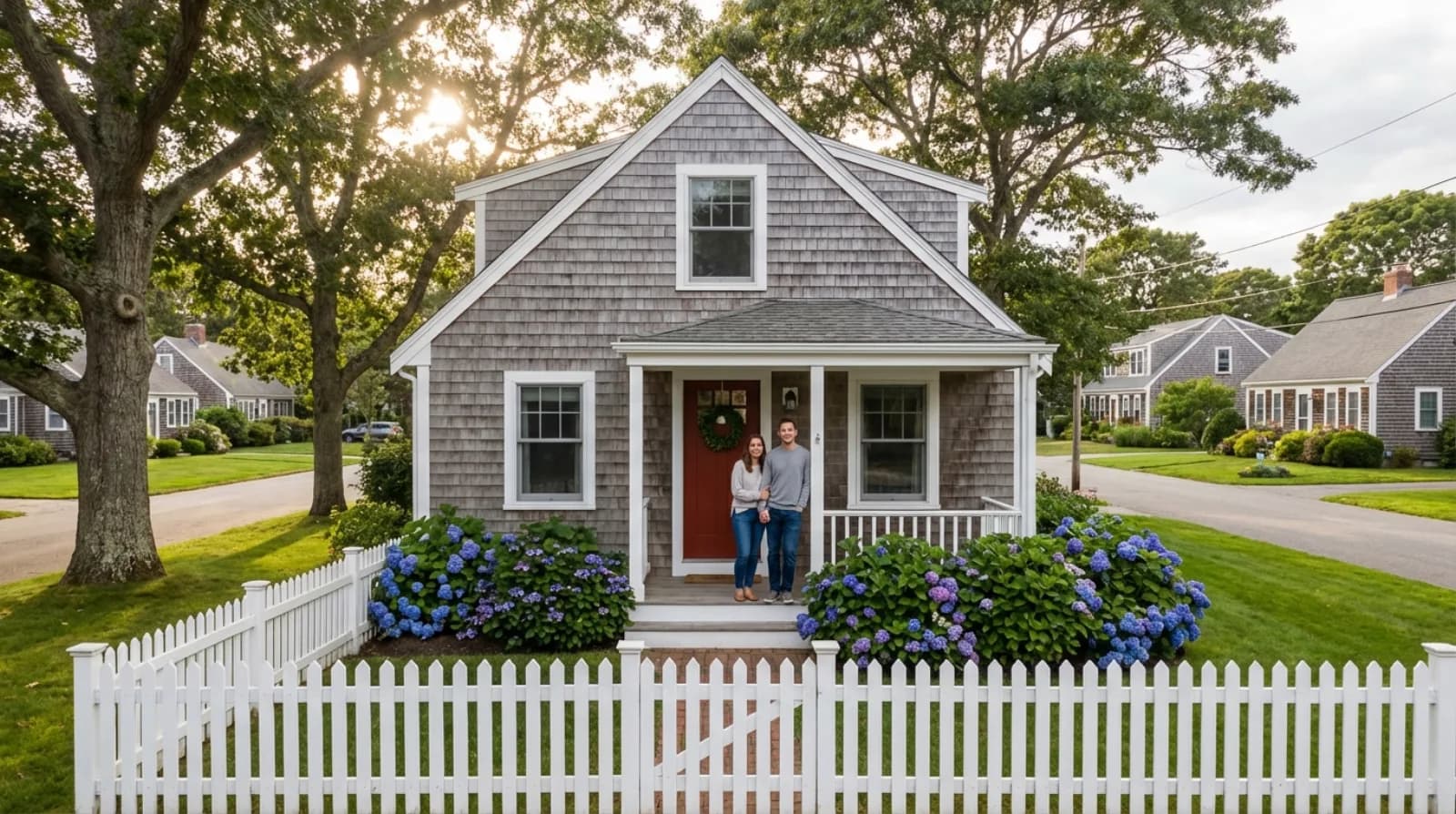
Cedar shingles are perhaps the most iconic cottage feature. Left unpainted, these shingles weather naturally to a distinctive silver-gray that harmonizes with the coastal landscape. The aging process takes years, and cottages with well-weathered shingles possess character that cannot be manufactured.
Low maintenance design reflects the practical origins of these homes. Cottage owners historically spent their days at the beach, not maintaining elaborate landscaping or extensive interior finishes. Native plantings, simple decks, and functional interiors that can handle sand and salt remain hallmarks of authentic cottage living.
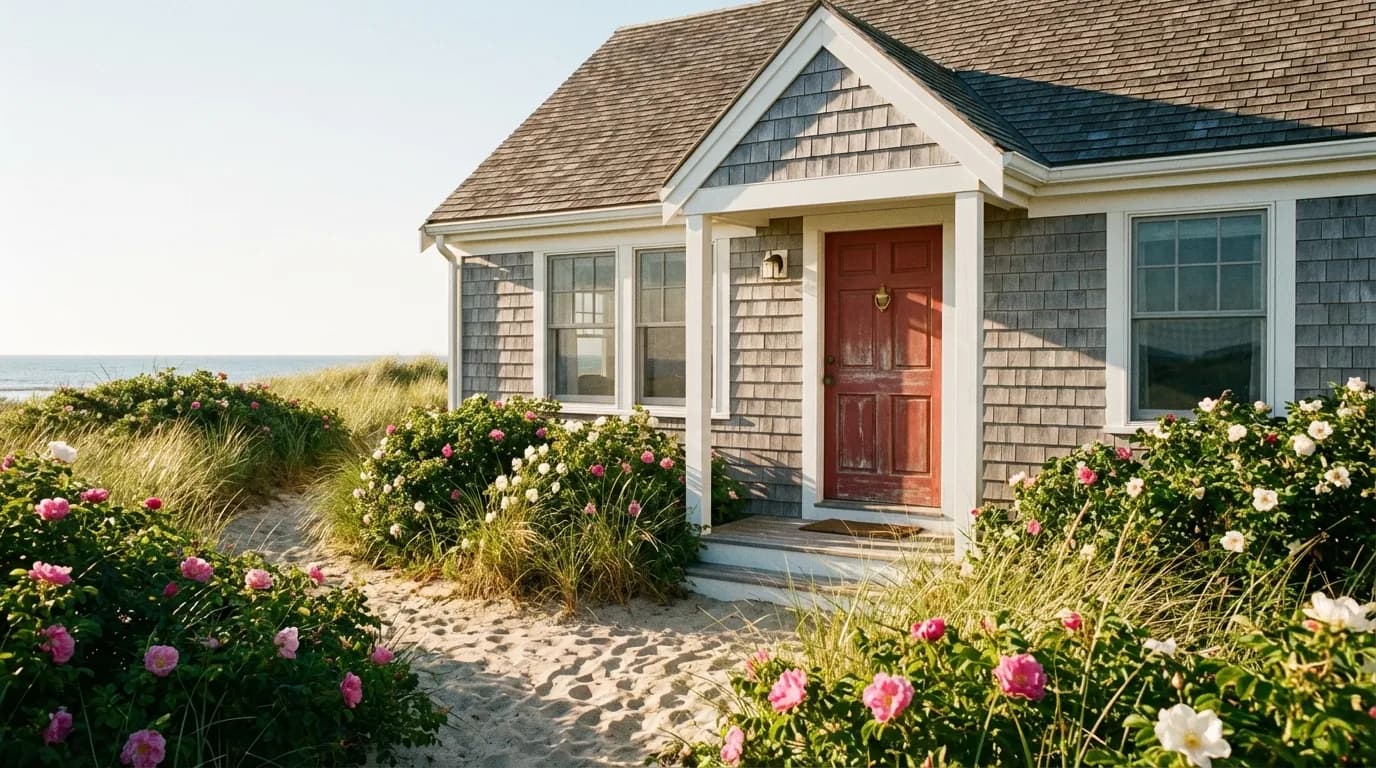
Integration with landscape matters more than architectural statements. The best cottages nestle into their settings, framed by beach plums, rosa rugosa, and native grasses. They feel like they belong to the land rather than being imposed upon it.
Cottage Living Philosophy
Beyond architectural details, Cape Cod cottages represent a particular approach to life. Cottage dwellers tend to value experiences over accumulation, outdoor time over indoor entertainment, and community connection over private isolation.
This philosophy manifests in how cottages are used. Morning coffee on the deck. Afternoon reading in an Adirondack chair. Evening gatherings around a firepit. The cottage becomes a base camp for beach days, kayak adventures, and explorations of the Cape's natural beauty rather than a destination in itself.
For many buyers, this simpler approach to living represents exactly what they seek when escaping more complicated lives elsewhere.
Classic Cottage Architecture
Cape Cod cottage architecture has evolved over centuries while maintaining essential characteristics that define the style. Understanding these architectural elements helps buyers identify authentic cottages and evaluate their condition and potential.
The Original Cape Cod Style
The classic Cape Cod house features a symmetrical facade with a central door flanked by windows on either side. The steeply pitched roof, originally designed to shed heavy snow, creates a distinctive profile that has been imitated across America.
True Cape Cod cottages typically display these architectural elements:
One-and-a-half stories with bedrooms tucked under the roofline. Dormers may punctuate the roof to add headroom and light to upper rooms. Some cottages remain single-story, maintaining the lowest possible profile against coastal winds.
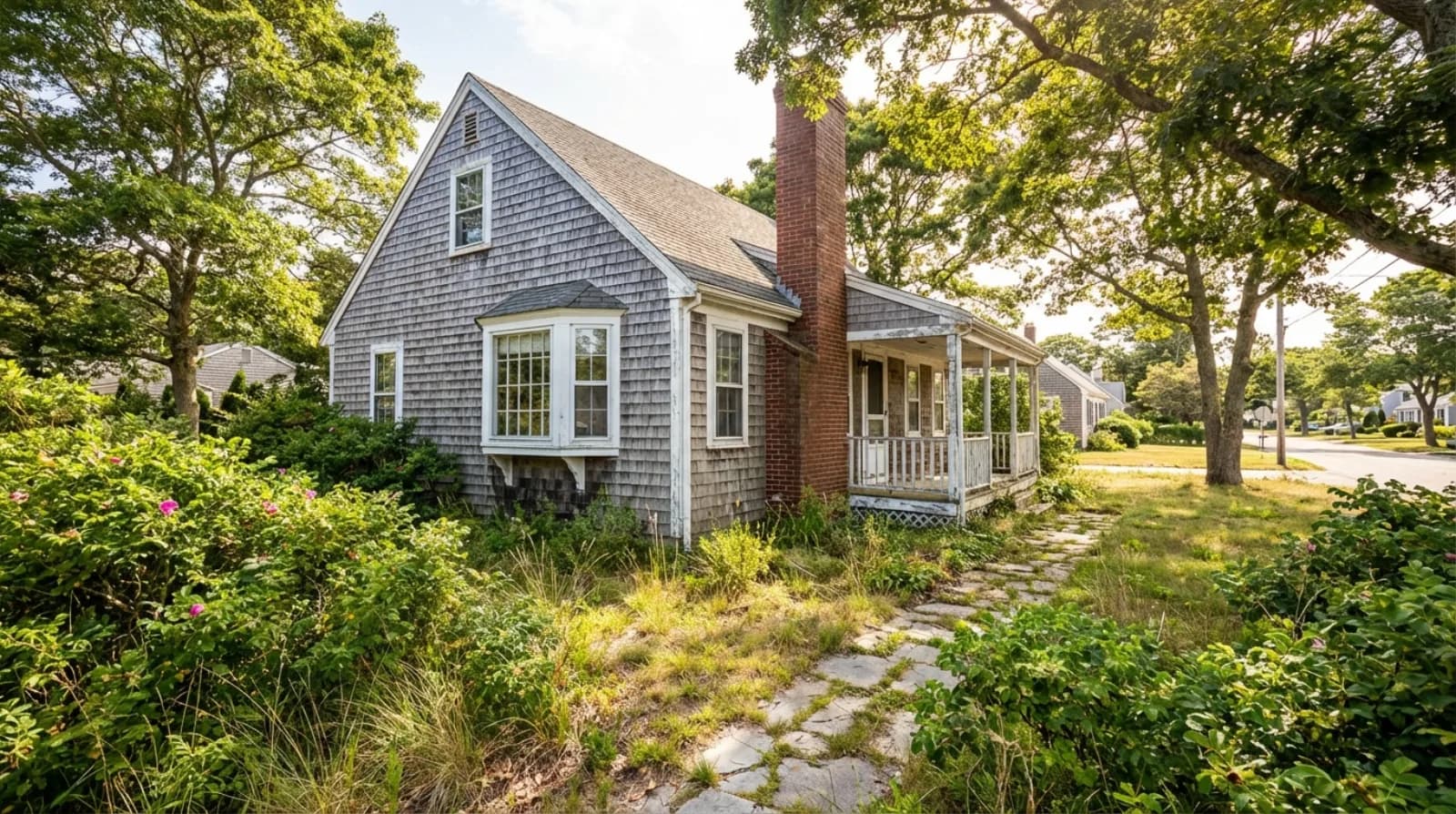
Central chimney placement reflects early heating requirements when a single massive fireplace warmed the entire home. Modern cottages may have relocated chimneys or no fireplace at all, but the traditional central placement remains a mark of authentic construction.
Small-paned windows divided into six-over-six or eight-over-eight configurations create the characteristic cottage appearance. Original windows, if properly maintained, add significant character and value.
Minimal ornamentation distinguishes cottage architecture from more elaborate styles. Plain trim, simple porch railings, and unpretentious entryways reflect the practical New England sensibility that shaped these homes.
Shingle Style Influence
The Shingle Style movement of the late 1800s influenced Cape Cod cottage architecture, particularly in more affluent areas. This style emphasized continuous shingle cladding that wrapped around buildings, creating unified surfaces that responded to the coastal environment.
Shingle Style elements in Cape Cod cottages include:
Wraparound porches that create outdoor living spaces sheltered from sun and rain while capturing ocean breezes.
Organic shapes including rounded corners, turret-like elements, and flowing rooflines that echo natural forms.
Large window groupings that frame views and create visual connections between interior and exterior spaces.
Integration of multiple building volumes that give larger cottages a collected appearance, as if they had grown organically over time.
Small Footprint Living
Modern cottage buyers often discover that small footprint living offers unexpected benefits.
Reduced maintenance means more time for activities that matter. A 1,000-square-foot cottage requires far less cleaning, painting, and general upkeep than a 3,000-square-foot house.
Lower operating costs for heating, cooling, and utilities translate to more affordable ownership. Many cottage owners appreciate that their beach property costs less to maintain than their primary residence.
Forced simplicity helps occupants focus on experiences rather than possessions. When storage space is limited, accumulation becomes impractical.
Closer family living results from compact floor plans. While privacy can be challenging during peak occupancy, many families report that cottage living brings them closer together.
Updating Without Losing Character
Buyers considering cottage purchases often wonder about updating older properties without destroying their character. Successful cottage renovations maintain essential elements while adding modern comfort.
Kitchen and bathroom updates typically offer the greatest return on investment while preserving cottage character. Open shelving, vintage-style fixtures, and beadboard paneling complement cottage aesthetics while providing modern functionality.
Insulation and windows can be upgraded without altering exterior appearance. Energy-efficient windows with traditional divided-light patterns maintain cottage character while improving comfort.
Outdoor living additions including decks, screened porches, and outdoor showers extend usable space without increasing the building footprint.
Mechanical systems including heating, cooling, and plumbing can be modernized within existing walls. Many cottages originally built without central heating or air conditioning can accommodate these systems during renovation.
Best Areas for Beach Cottages
Cape Cod offers numerous towns with strong cottage communities, each with distinct character and market dynamics. Understanding these differences helps buyers focus their search on areas that match their preferences and budget.
Wellfleet: Artistic Cottage Community
Wellfleet maintains perhaps the most authentic cottage community on Cape Cod. The town's artistic character, commitment to conservation, and working harbor create an environment where cottage living feels both connected and timeless.
Wellfleet cottages cluster in several distinct areas:
Chequessett Neck offers bay-side cottages with proximity to Duck Harbor and spectacular sunset views. These properties tend toward the modest end of Wellfleet's market while providing quintessential cottage experiences.
Lieutenant Island features cottage communities accessible only at low tide, creating a unique sense of remove from the mainland. Properties here command premium prices for their island setting and bay access.
Near the kettle ponds including Long Pond and Gull Pond, cottages offer freshwater swimming alternatives to ocean beaches. These inland locations often provide more affordable entry points to the Wellfleet market.
Town Center proximity appeals to buyers who value walkability to Wellfleet's galleries, restaurants, and harbor. Cottage properties within walking distance of Main Street combine village convenience with residential character.
Wellfleet's median single-family home price of approximately $937,500 reflects the town's desirability, though smaller cottages in less premium locations can be found at lower price points. The town's strong rental market makes Wellfleet cottages attractive to investors seeking income-producing properties with genuine character.
Truro: Secluded Cottage Living
Truro offers cottage properties in an environment characterized by privacy, natural beauty, and minimal commercial development. Over half of Truro's land belongs to the Cape Cod National Seashore, creating a protected natural setting that surrounds private properties.
Truro cottage opportunities include:
Pamet Harbor area where historic cottage communities date to the early beach cottage era. Properties here offer proximity to the harbor and access to both bay and ocean beaches within minutes.
Beach Point cottages sit directly on Cape Cod Bay, many dating from the mid-twentieth century cottage building boom. These properties offer the ultimate bay-side cottage experience with private beach access.
Corn Hill area features cottage communities along one of Cape Cod's most historic beaches. The setting combines natural beauty with a sense of connection to the Cape's colonial past.
Highland area near Highland Light offers cottages with proximity to dramatic Atlantic Ocean beaches. Properties here tend toward larger lots with more seclusion than bay-side locations.
Truro's median single-family home price of approximately $1.16 million reflects the town's exclusivity and limited inventory. However, smaller cottages, particularly those requiring updating, occasionally appear at more accessible price points for buyers willing to invest in renovation.
Provincetown: Village Cottage Charm
Provincetown offers cottage properties within walking distance of the Cape's most vibrant town center. While Provincetown's market includes substantial condominiums and luxury homes, authentic cottages remain available for buyers seeking small-scale village living.
Provincetown cottage opportunities concentrate in several areas:
West End cottages offer quiet residential character near Herring Cove Beach and the National Seashore. Properties here provide proximity to Provincetown's amenities while maintaining cottage-scale living.
East End features cottages tucked among galleries and homes near the breakwater. These properties combine village walkability with residential character that predates Provincetown's commercial development.
Bradford Street cottages along the town's quieter thoroughfare offer alternatives to Commercial Street's activity. Many properties date from Provincetown's working waterfront era.
Outskirts toward Truro feature cottage properties on larger lots with more traditional Cape Cod character. These locations sacrifice walkability to downtown for additional privacy and space.
Provincetown's median single-family home price of approximately $2.15 million reflects the town's exceptional demand and limited inventory. However, smaller cottages and those requiring renovation occasionally present opportunities for buyers seeking cottage living in this unique community.
Other Cottage-Rich Towns
Beyond the Outer Cape, several Cape Cod towns maintain strong cottage communities:
Eastham offers cottage properties near Cape Cod National Seashore beaches at more moderate price points than neighboring Outer Cape towns. The town's mix of year-round residents and seasonal visitors creates authentic community character.
Orleans combines village amenities with cottage neighborhoods near both bay and ocean beaches. Properties range from historic cottages to mid-century beach houses with cottage character.
Chatham maintains cottage communities, particularly on the harbor side and in outlying areas, though prices reflect the town's upscale reputation and excellent beaches.
Price Expectations
Understanding Cape Cod cottage pricing helps buyers set realistic expectations and identify opportunities that match their budgets.
Current Market Pricing
Cape Cod cottage prices vary significantly based on location, condition, and specific features. As of early 2026, buyers should expect the following general ranges:
Entry-level cottages requiring significant updating in less premium locations typically start in the $500,000-$700,000 range. These properties often lack modern systems and may have deferred maintenance, but offer opportunities for buyers willing to invest in renovation.
Move-in ready cottages in desirable locations but without premium features typically range from $700,000-$1,000,000. These properties offer immediate use while maintaining authentic cottage character.
Premium cottage properties with exceptional locations, water views, or beach access typically range from $1,000,000-$1,500,000. These cottages combine authentic character with desirable features and prime positioning.
Exceptional cottages with direct waterfront, significant land, or iconic locations can exceed $1,500,000-$2,000,000 or more, particularly in towns like Provincetown and Wellfleet.
Cottage vs. Larger Home Values
Cottage pricing reflects a different value proposition than larger homes. While price-per-square-foot typically runs higher for cottages than for larger properties, total acquisition cost remains lower.
Many buyers find that cottage ownership fits their lifestyle better than purchasing a larger, more expensive home. The savings on purchase price, maintenance, utilities, and insurance allow owners to focus resources on experiences rather than property maintenance.
Additionally, cottage properties often generate comparable rental income to larger homes during peak season, as families and couples seeking beach vacations value location and authenticity over square footage.
Investment Potential
Cottage properties offer particular appeal for investors seeking income-producing Cape Cod real estate.
Strong rental demand exists for authentic cottage properties, particularly those within walking distance of beaches or village centers. Many renters specifically seek cottage experiences rather than larger, more modern accommodations.
Lower operating costs improve net returns compared to larger properties. Cleaning, maintenance, and utility costs scale with property size, benefiting cottage owners.
Character premium allows well-maintained cottages to command rates comparable to larger properties. Renters value the authentic Cape Cod experience that cottages provide.
Appreciation potential remains strong for cottage properties in desirable locations. Limited supply and consistent demand support property values over time.
For detailed rental income analysis by town, explore our Cape Cod vacation rental income guide.
Cottage Living Lifestyle
Understanding the cottage lifestyle helps buyers determine whether this approach to Cape Cod living matches their goals and preferences.
The Appeal of Simplicity
Cottage living strips away complexity. Without excess space demanding furniture, maintenance, and attention, cottage owners often report feeling liberated from the accumulation that characterizes modern life.
This simplicity extends to daily routines. Cottage mornings begin with coffee and the sound of waves or birdsong rather than lengthy commutes or complex schedules. Days unfold around beach time, reading, cooking simple meals, and reconnecting with family or friends.
For many buyers escaping demanding careers and complicated lives elsewhere, this simplicity represents exactly what they seek in a Cape Cod property.
Outdoor Living Focus
Cape Cod cottages extend beyond their walls. Decks, porches, patios, and yards become primary living spaces during warm months, effectively doubling or tripling usable area.
Successful cottage owners embrace this outdoor orientation:
Outdoor dining becomes the norm during cottage season. Simple meals prepared inside taste better when eaten on a deck overlooking the bay or in an Adirondack chair facing the sunset.
Morning and evening rituals move outdoors. Coffee at sunrise, cocktails at sunset, and stargazing after dark become cottage traditions that define the experience.
Recreation centers on nature rather than indoor entertainment. Kayaking, swimming, hiking, biking, and beachcombing replace screen time and scheduled activities.
Gathering spaces shift to outdoor areas where groups can spread out comfortably. Firepits, outdoor showers, and screened porches extend the cottage's functional space.
Seasonal Use Considerations
Many cottage owners use their properties seasonally, opening in late spring and closing after fall foliage season. This seasonal approach offers both benefits and considerations.
Benefits include reduced maintenance demands during harsh winter months, lower utility costs, and the anticipation of annual cottage opening that many owners treasure.
Considerations include winterization requirements, property monitoring during vacancy, and the need for storage solutions when the cottage closes.
Some cottage owners extend their season by adding heating systems and winterizing plumbing, enabling shoulder-season visits and occasional winter weekends. This approach requires additional investment but significantly increases property usability.
Rental Potential
Cottage properties often perform well in the rental market, providing income that offsets ownership costs while introducing others to the cottage lifestyle.
Summer weekly rentals represent the primary income opportunity. Well-maintained cottages in desirable locations can generate $2,500-$5,000 or more per week during peak season.
Shoulder season rentals attract couples and retirees seeking quieter Cape Cod experiences. Weekend and weekly rentals during May, June, September, and October extend income potential.
Character appeal differentiates cottage rentals from generic vacation properties. Guests seeking authentic Cape Cod experiences often prefer cottages to larger, more modern accommodations.
Management options range from full-service property management to self-management using online platforms. Cottage owners can choose involvement levels that match their preferences and availability.
Community Connection
Cottage communities often develop strong social bonds. The proximity of homes, shared outdoor spaces, and seasonal rhythms create environments where neighbors become friends.
Many cottage areas maintain traditions that strengthen community connections:
Beach associations manage shared access and maintain common areas while providing social frameworks for cottage communities.
Seasonal events including clambakes, bonfire gatherings, and informal potlucks bring cottage residents together.
Shared resources including boats, beach equipment, and local knowledge circulate among cottage neighbors.
Generational continuity characterizes many cottage communities, with families returning year after year and children growing up alongside their cottage neighbors.
Finding Your Perfect Cottage
Searching for the right Cape Cod cottage requires patience, preparation, and clear priorities.
Define Your Priorities
Before beginning your cottage search, clarify what matters most:
Location priorities including beach proximity, town preference, and desired setting narrow the search significantly.
Size requirements based on typical occupancy help filter properties. Consider both daily living needs and occasional larger gatherings.
Condition preferences determine whether you seek move-in ready properties or renovation opportunities.
Budget parameters including purchase price, renovation reserves, and ongoing operating costs establish realistic search parameters.
Use intentions including personal use frequency, rental plans, and long-term goals shape property selection.
Work with Local Expertise
Cape Cod's cottage market rewards buyers who work with agents possessing deep local knowledge. Understanding which properties offer genuine cottage character, which locations maintain authentic communities, and which opportunities match specific buyer goals requires experience that cannot be gained from online research alone.
Local expertise proves particularly valuable when evaluating:
Property condition including systems, structure, and maintenance history that affect both immediate use and long-term costs.
Location specifics including flood zones, erosion patterns, and neighborhood character that impact property values and lifestyle.
Market dynamics including pricing patterns, inventory trends, and competitive positioning that affect offer strategy.
Regulatory considerations including zoning, rental restrictions, and conservation requirements that may limit property use.
Prepare for Competitive Situations
Desirable cottage properties often attract multiple buyers, particularly during active market periods. Preparation improves your competitive position:
Financing pre-approval demonstrates seriousness and enables quick action when the right property appears.
Inspection readiness including contractor contacts and flexibility for rapid scheduling helps maintain momentum during due diligence.
Clear decision criteria enable confident choices when opportunities arise without extended deliberation.
Flexibility on timing, terms, and contingencies can differentiate your offer in competitive situations.
Start Your Cottage Search
Cape Cod beach cottages offer something increasingly rare in modern real estate: properties with genuine character that embody a distinct lifestyle philosophy. Whether you seek a summer retreat, year-round residence, or investment property, finding the right cottage rewards your patience with years of coastal living enjoyment.
Ready to find your Cape Cod beach cottage? Browse available listings to see current cottage opportunities, or explore the Outer Cape's cottage communities in Wellfleet, Truro, and Provincetown.
To discuss your cottage search and learn about properties that match your goals, contact me directly. With deep knowledge of the Outer Cape market and extensive experience helping buyers find properties with authentic Cape Cod character, I can help you identify cottage opportunities before they reach the broader market and navigate the purchase process from initial search through closing.
Your perfect Cape Cod cottage is waiting. Let's find it together.
Browse cottage listings in Provincetown, Truro, and Wellfleet. Exploring other property types? See our guides to waterfront homes, historic properties, or homes under $1 million. Before buying coastal property, understand flood zone considerations.