Explore Cape Cod historic and antique homes. Learn about architectural styles, historic districts, renovation considerations, and how to find the perfect historic property.
Cape Cod's architectural heritage stretches back nearly four centuries, making this narrow peninsula one of America's most significant repositories of historic homes. From 17th-century saltboxes to grand Victorian sea captains' mansions, antique properties here tell the story of maritime prosperity, Yankee ingenuity, and the enduring appeal of coastal New England living.
For buyers seeking character that modern construction simply cannot replicate, Cape Cod historic homes offer handcrafted details, time-tested materials, and a connection to the region's rich past. However, owning an antique property requires understanding preservation requirements, renovation realities, and the unique considerations that come with stewardship of historic architecture.
This guide explores everything you need to know about Cape Cod historic and antique homes, from architectural styles that define the region to practical guidance for finding and maintaining these treasured properties.
Cape Cod Architectural Styles Through the Centuries
Cape Cod's building traditions evolved over 400 years, shaped by harsh coastal weather, available materials, and the prosperity of the region's maritime economy. Understanding these architectural styles helps buyers appreciate what makes each period distinctive and recognize authentic examples.
The Original Cape Cod House (1600s-1850s)
The iconic Cape Cod house emerged from necessity. English settlers adapted medieval building traditions to survive brutal New England winters, creating a low, broad house form that has become synonymous with the region.
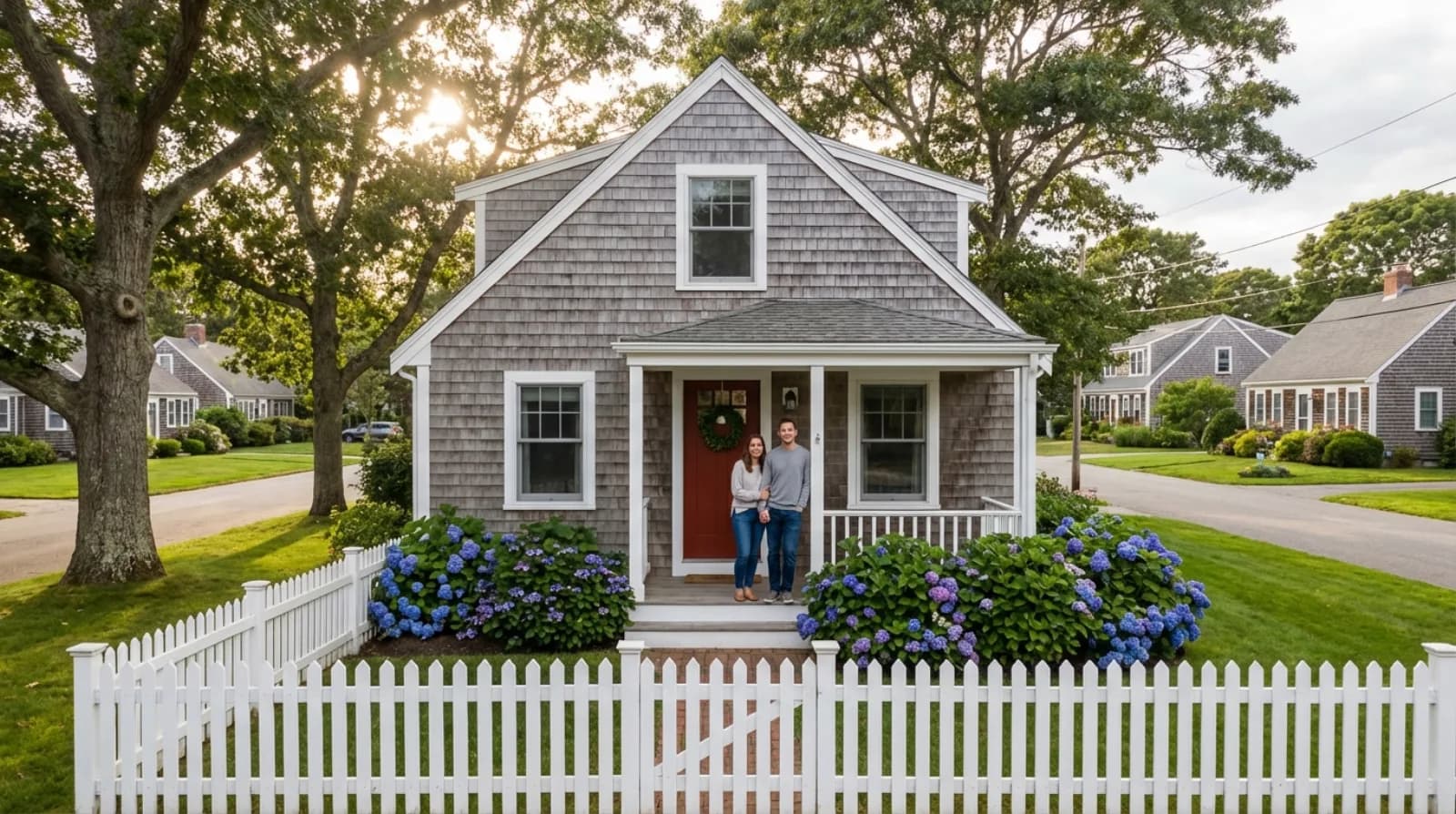
Authentic early Cape Cod homes feature steep roofs designed to shed snow, central chimneys providing efficient heating, and minimal ornamentation. Cedar shingles, which weather to a distinctive silver-gray, became the signature cladding after settlers discovered how well this material withstood coastal conditions.
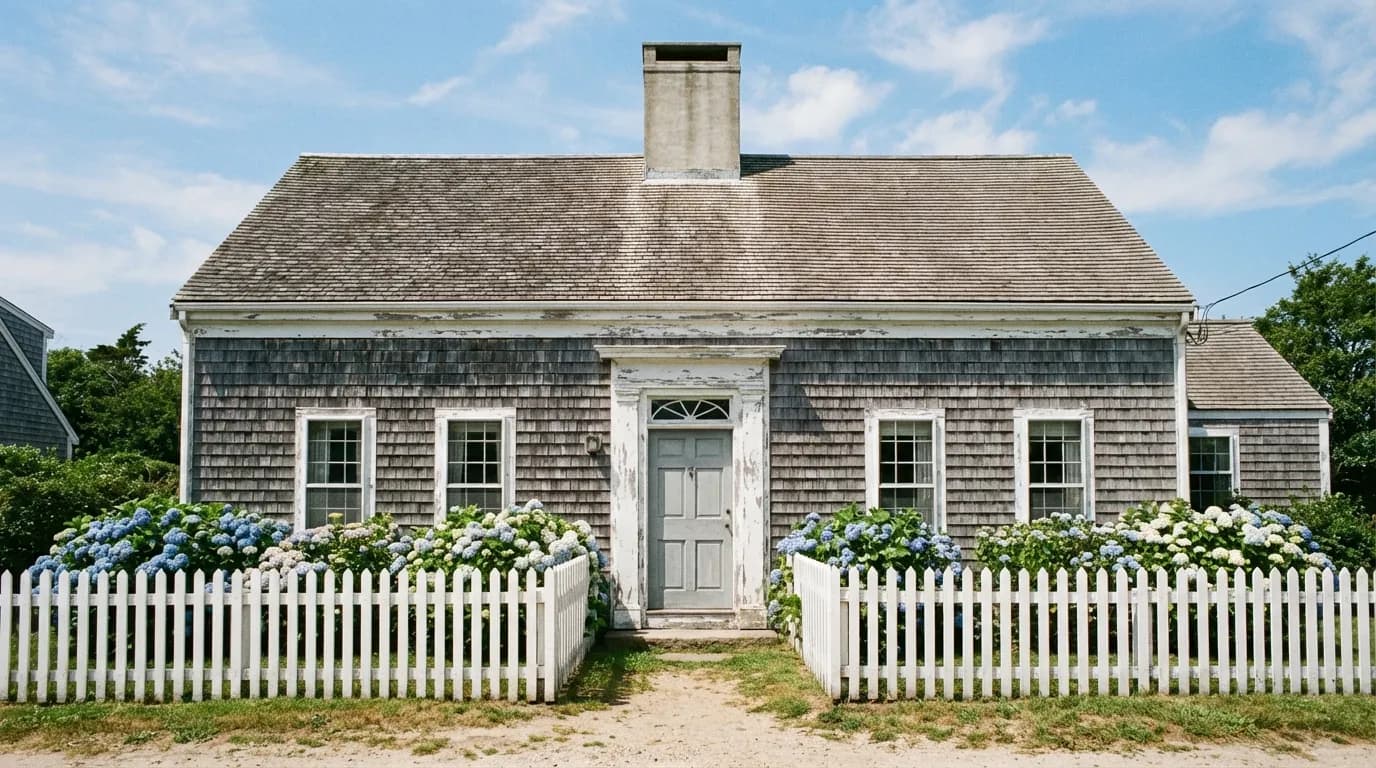
Three variations developed: the full Cape with symmetrical windows flanking a central door, the three-quarter Cape with windows on only one side, and the half Cape with the door positioned to one end. Finding an authentic pre-1850 Cape Cod house is increasingly rare, though sensitive owners have preserved original details including wide-plank floors, hand-hewn beams, and working fireplaces.
Colonial and Georgian Architecture (1690s-1790s)
As Cape Cod's maritime economy prospered, wealthier residents built larger homes reflecting Georgian architectural principles imported from England. These properties feature strict symmetry, classical proportions, and refined details that distinguish them from humble Cape Cod cottages.
Georgian homes typically display five-bay facades with centered entrances, elaborate moldings, paneled walls, and corner fireplaces with fine mantels. Chatham and Barnstable villages retain notable concentrations of Georgian architecture, with some examples dating to the mid-1700s.
Federal Period Elegance (1780s-1830s)
The Federal period brought refined neoclassical influences to Cape Cod architecture. Distinguishing characteristics include elliptical fanlights over entrance doors, slender columns, and elaborate interior woodwork with Adam-style motifs.
Federal-era sea captains' homes represent some of Cape Cod's most significant historic properties. Towns like Wellfleet, Chatham, and Provincetown preserve fine examples built during peak whaling and fishing prosperity. These homes often feature widow's walks, the rooftop platforms where mariners' families watched for returning ships.
Greek Revival (1825-1860)
Greek Revival architecture swept America during the early 19th century, and Cape Cod builders embraced the style with regional adaptations. Classic elements include low-pitched roofs with prominent cornices, heavy moldings with Greek key patterns, and entrances framed by sidelights and transoms.
On Cape Cod, Greek Revival often merged with existing building traditions, creating hybrid designs. Many Cape Cod houses were updated with Greek Revival details during this period, adding porticos or elaborate entrance treatments to earlier structures.
Victorian Era Diversity (1840-1910)
The Victorian era brought unprecedented architectural variety to Cape Cod as railroad connections and summer tourism transformed the peninsula. Gothic Revival, Italianate, and Queen Anne styles all found expression here.
Gothic Revival homes feature steeply pitched roofs and decorative bargeboard trim, with notable examples in Falmouth and Sandwich. Queen Anne style brought asymmetrical facades, wraparound porches, and elaborate decorative details to the Cape during the 1880s and 1890s.
Shingle Style (1880s-1910s)
The Shingle Style emerged from Cape Cod's natural environment, making it particularly well-suited to the region. Shingle Style homes feature continuous wood shingle cladding that wraps walls and roofs in unified compositions, emphasizing horizontal lines and integration with surrounding landscapes.
Many significant Shingle Style examples were built as summer "cottages" for wealthy families, concentrated in towns like Chatham and Falmouth.
Historic Districts and Preservation Requirements
Cape Cod's commitment to preserving its architectural heritage has created numerous local historic districts with varying levels of protection. Understanding these designations helps buyers know what restrictions may apply before purchasing.
National Register Historic Districts
Several Cape Cod communities include National Register Historic Districts, which recognize architectural significance and provide access to certain tax incentives for rehabilitation. National Register listing does not restrict what private owners can do unless federal funding or permits are involved.
Provincetown features one of Massachusetts' most significant National Register districts, recognizing maritime history and cultural significance. Wellfleet Center Historic District protects the village core around Main Street, while similar districts exist in Chatham, Sandwich, and other communities.
Local Historic District Commissions
Local historic districts provide stronger protections, requiring review of exterior changes visible from public ways. Commission review typically covers exterior paint colors, window replacements, roof materials, additions, and demolition.
Regulations vary by municipality, so research specific requirements before purchasing in a designated historic district. Some commissions take a strict preservation approach, while others focus primarily on maintaining streetscape character.
Demolition Delay Ordinances
Many Cape Cod towns have adopted demolition delay ordinances requiring a waiting period before demolishing buildings over a certain age. For buyers considering properties that might require substantial reconstruction, understanding local provisions is important for project planning.
Working with Historic Commissions
View historic commission review as collaborative rather than adversarial. Commission members are typically volunteer residents passionate about preserving community character.
Successful historic district homeownership involves researching guidelines before planning projects, consulting informally with commission staff, using preservation-appropriate materials, and attending commission meetings. Many commissions maintain approved materials lists that streamline the review process.
Pros and Cons of Historic Home Ownership
Historic homes offer unique rewards and challenges that buyers should weigh carefully.
The Appeal of Antique Properties
Irreplaceable Craftsmanship: Historic homes feature hand-crafted details that modern construction cannot replicate. Wide-plank floors, hand-cut moldings, and hand-forged hardware represent skills impossible to reproduce today at reasonable cost.
Superior Materials: Old-growth timber possesses density and dimensional stability that modern lumber lacks. Original materials often outlast contemporary replacements when properly maintained.
Proven Performance: A house standing for 150 or 200 years has demonstrated resilience to Cape Cod's challenging coastal environment.
Character and Authenticity: Historic homes possess a soul and sense of place that new construction struggles to achieve. Original details and idiosyncratic room configurations create environments with genuine character.
Financial Benefits: Well-maintained historic homes often appreciate strongly due to scarcity. Tax incentives for historic rehabilitation can offset renovation costs.
The Challenges of Historic Ownership
Higher Maintenance Requirements: Wood siding needs regular painting, slate roofs require specialized repair, and antique windows demand periodic attention.
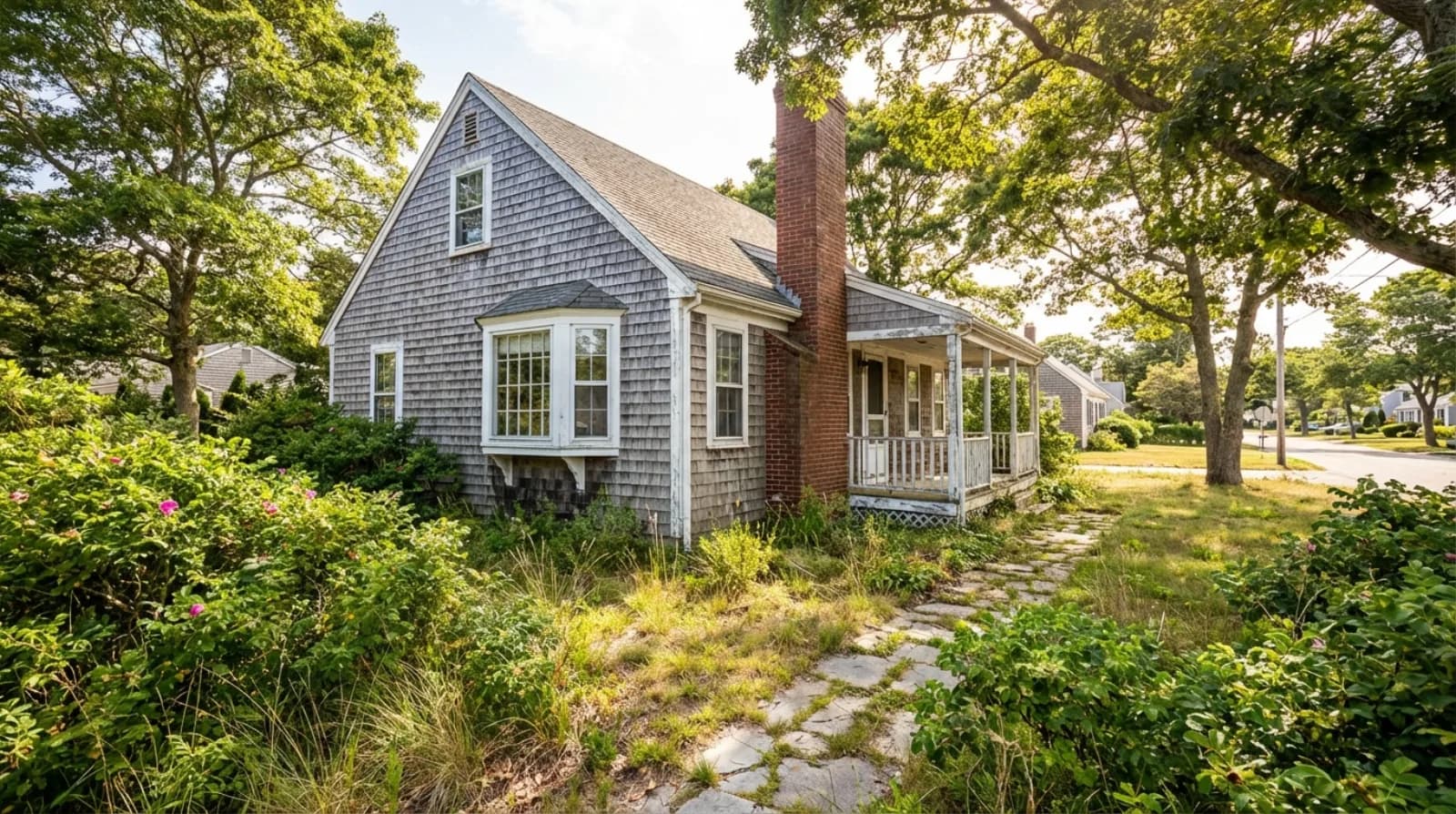
Deferred Maintenance Costs: Many historic homes come with years of deferred maintenance. Budget for immediate repairs and establish long-term maintenance reserves.
Energy Efficiency Limitations: Improving efficiency while preserving historic character requires creative solutions and often significant investment.
Code Compliance Complexity: Bringing systems up to current standards while preserving historic fabric requires careful navigation of requirements.
Historic Commission Review: Properties in local historic districts face exterior review that can extend project timelines and limit material choices.
Insurance Considerations: Insuring historic homes can be more complex and expensive, with replacement cost calculations accounting for reproduction of historic features.
Making an Informed Decision
Before committing to a historic property, honestly assess your tolerance for ongoing projects, your budget for specialized maintenance, and your patience for working within preservation guidelines. For buyers who match well with historic ownership, these properties provide unparalleled living experiences.
Renovation Considerations for Historic Properties
Renovating a Cape Cod historic home requires understanding preservation principles, navigating approval processes, and budgeting realistically.
Preservation Philosophy
The Secretary of the Interior's Standards for Rehabilitation provides the framework most historic commissions use. These standards emphasize preserving character-defining features, retaining historic materials, making changes reversible when feasible, and using appropriate methods.
Permit and Approval Requirements
Before beginning any exterior work in a local historic district, homeowners must apply for a Certificate of Appropriateness. Applications typically require photographs of existing conditions, detailed drawings, material specifications, and color samples.
Review timelines vary by complexity. Simple projects may receive administrative approval, while significant additions require full commission review at public meetings.
Working with Specialized Contractors
Historic renovation requires contractors with specific experience. Seek contractors who have completed previous historic renovation projects, understand preservation standards, can source appropriate materials, and employ craftspeople skilled in traditional methods.
Budget Realities
Historic renovation typically costs 20-50% more than comparable contemporary work due to:
Specialized Materials: Historic-profile wood windows, custom millwork, and period-appropriate hardware carry premiums.
Skilled Labor: Craftspeople with traditional skills command higher rates. Plastering, wood window repair, and decorative painting require specialized expertise.
Discovery Costs: Budget a 20-30% contingency for unexpected conditions.
Extended Timelines: Commission review, material sourcing, and specialized craftsmanship extend project timelines.
Common Renovation Projects
Windows: Original wood windows are character-defining features. Proper repair and weatherstripping often performs better and costs less than replacement.
Kitchens and Bathrooms: These spaces offer flexibility for contemporary updates since they were frequently modified over time.
Mechanical Systems: High-velocity mini-duct systems and ductless heat pumps allow climate control with minimal visual impact.
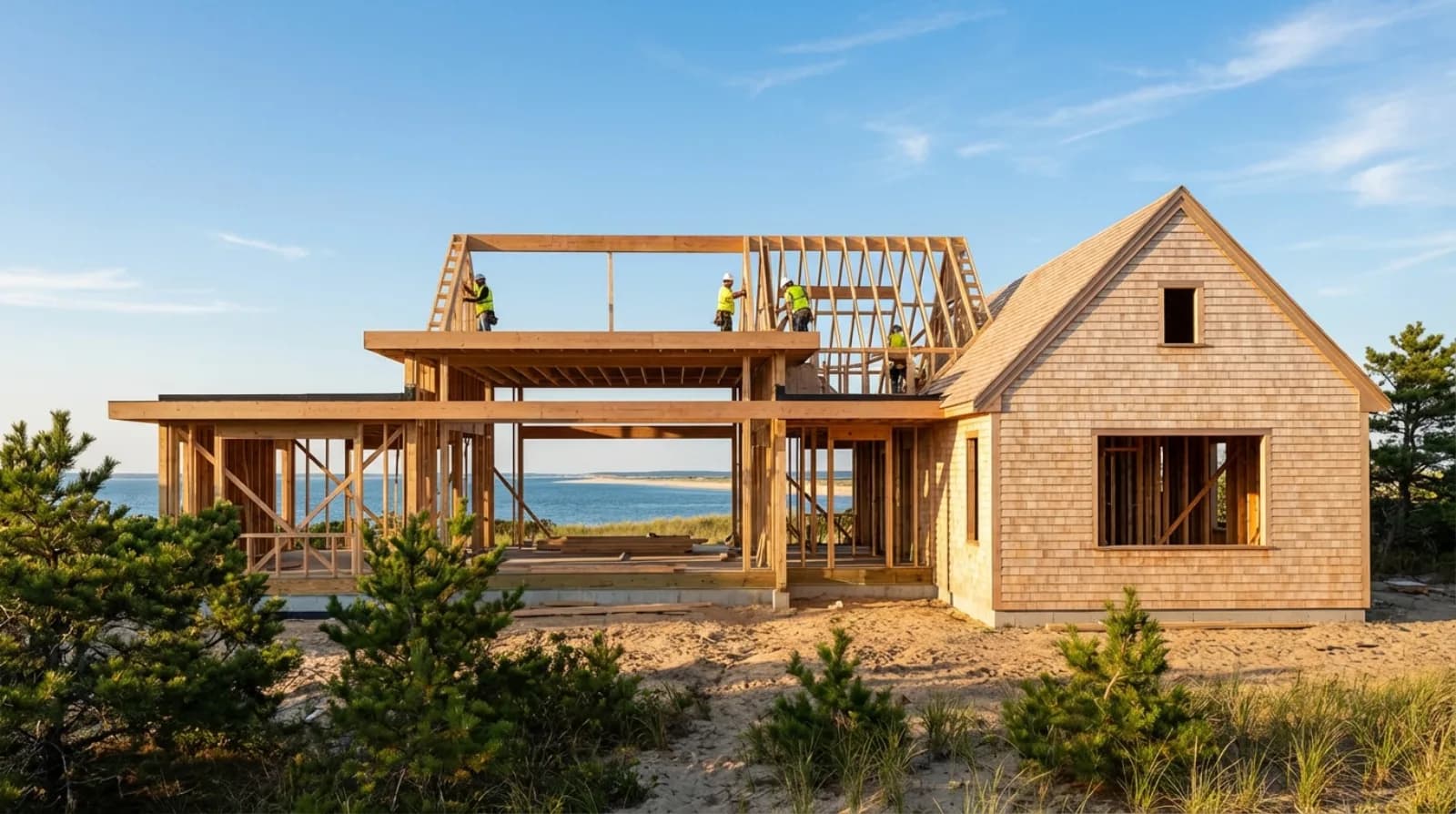
Additions: Additions should be subordinate to historic structures, compatible in scale, and positioned to minimize impact on significant facades.
Finding Historic Properties on Cape Cod
Locating the right Cape Cod historic home requires patience, research, and the guidance of an agent with specialized knowledge.
Where to Look
Historic properties concentrate in Cape Cod's older village centers. Towns with significant concentrations of antique homes include:
Provincetown: The Cape's oldest community features an extraordinarily dense collection of historic architecture spanning four centuries, from modest fishermen's cottages to elaborate Victorian commercial buildings.
Wellfleet: The village center preserves an exceptional collection of 18th and 19th-century homes along Main Street. Greek Revival and Federal-era sea captains' houses predominate.
Chatham: Historic homes line Stage Harbor Road and streets surrounding the village center. Sea captains' houses, fine Victorians, and shingled cottages create one of Cape Cod's most picturesque environments.
Sandwich: As Cape Cod's oldest town, Sandwich preserves important early architecture including homes dating to the 1600s.
Barnstable Village: Route 6A contains significant concentrations of Federal and Colonial architecture.
Identifying Authentic Historic Properties
Signs of authentic historic construction include irregular dimensions reflecting hand-crafted construction, wide floor boards with face-nailed fasteners, hand-hewn timber framing, period-appropriate hardware, wavy glass in original windows, and documented history.
Professional assessments by architectural historians can verify age and significance claims for properties of particular importance.
Due Diligence for Historic Purchases
Beyond standard home inspection, historic purchases warrant additional investigation:
Historic District Status: Determine whether the property lies within a local historic district and obtain design guidelines.
Structural Assessment: Engage a structural engineer experienced with historic construction to evaluate age-related concerns.
Environmental Concerns: Lead paint and asbestos common in older construction require assessment.
Deed Restrictions: Some historic properties carry preservation easements limiting future modifications.
Working with a Knowledgeable Agent
Finding the right Cape Cod historic home requires an agent who understands both real estate fundamentals and preservation considerations. A knowledgeable agent can identify matching properties, explain historic district requirements, connect you with qualified inspectors, and provide market context.
Browse our current listings to explore available Cape Cod properties, including historic homes in Provincetown, Wellfleet, and Chatham.
Begin Your Historic Home Search
Owning a Cape Cod historic home means becoming steward of irreplaceable architecture that connects present to past. These properties reward buyers who appreciate craftsmanship, embrace preservation responsibility, and find satisfaction in maintaining something of lasting value.
Whether you seek a modest antique Cape, a Federal-era sea captain's house, or a grand Victorian summer cottage, Cape Cod offers historic properties to match diverse preferences and budgets. Understanding architectural styles, preservation requirements, and renovation realities prepares you to make informed decisions and enjoy successful historic home ownership.
Ready to explore Cape Cod historic homes? I specialize in helping buyers find and evaluate antique properties throughout the region. Schedule a consultation to discuss your historic home goals, explore currently available properties, and learn about the unique considerations involved in purchasing a piece of Cape Cod's architectural heritage.
Contact me to begin your historic home search, explore our neighborhood guides for detailed information about Cape Cod's historic communities, or learn more about my approach to helping clients find exceptional properties.
Browse historic home opportunities in Provincetown, Wellfleet, and Truro. For other property types, see our guides to Cape Cod waterfront homes, beach cottages, or learn about flood zone considerations for coastal properties.