Chatham averages $163K/year, Harwich yields 10.9% gross ROI. Cape Cod rental income by town, STR regulations, costs, and a full ROI breakdown.
Cape Cod's vacation rental market represents one of New England's most compelling real estate investment opportunities. With 36% of housing units classified as seasonal or occasional use properties, the region has a well-established rental infrastructure that generates substantial income for property owners. Understanding the revenue potential, regulatory landscape, and operating costs helps investors make informed decisions about Cape Cod rental properties.
This comprehensive guide analyzes Cape Cod vacation rental income data, town-by-town regulations, seasonal versus year-round rental strategies, and ROI calculations. Whether you're considering your first investment property or expanding an existing portfolio, this data-driven analysis provides the insights you need to evaluate Cape Cod rental opportunities.
For broader investment analysis including appreciation trends and tax considerations, see our companion Cape Cod real estate investment guide.
For detailed market data on specific towns, explore our market reports and individual neighborhood pages for Provincetown, Truro, and Wellfleet.
Average Rental Income by Town
Cape Cod rental income varies significantly by location, property type, and amenities. Understanding these variations helps investors identify markets that align with their investment goals and risk tolerance.
Top-Performing Cape Cod Rental Markets
Based on 2025 market data, these Cape Cod towns deliver the strongest short-term rental performance:
Chatham leads Cape Cod rental markets with average annual revenue of approximately $163,000 and 42% occupancy. The town's upscale reputation, pristine beaches, and charming downtown create strong demand from affluent vacationers. However, property values averaging $2.58 million result in a gross yield of approximately 6.3%.
Orleans generates average annual revenue of approximately $142,000 with 43% occupancy. Located at the gateway to the Outer Cape, Orleans offers excellent beach access and year-round amenities. With average property values around $2 million, investors achieve approximately 7.1% gross yield.
Provincetown produces average annual revenue of approximately $113,000 with 45% occupancy. The town's vibrant arts scene, LGBTQ+ welcoming atmosphere, and year-round events create demand beyond typical summer months. Average property values of $1.79 million deliver approximately 6.3% gross yield.
Harwich offers the highest gross yield among major Cape Cod markets at 10.9%, with average annual revenue of approximately $110,000 and 39% occupancy. More accessible property values averaging $1.01 million make Harwich attractive for first-time vacation rental investors.
Eastham generates average annual revenue of approximately $105,000 with 44% occupancy. Proximity to Cape Cod National Seashore beaches and more moderate property values around $1.13 million deliver approximately 9.4% gross yield.
Outer Cape Revenue Analysis
The Outer Cape towns of Provincetown, Truro, and Wellfleet offer distinct rental income profiles:
Provincetown commands the highest nightly rates on the Outer Cape, with peak summer rates averaging $400-600 per night for well-appointed properties. The town's year-round events, including Carnival, Bear Week, and various festivals, extend the rental season beyond typical summer months. Properties with harbor views or proximity to Commercial Street typically outperform average market returns.
Truro generates average annual revenue of approximately $90,000-$110,000 depending on location and amenities. Oceanfront properties with beach access command premium rates, while bayside homes offer more moderate pricing. The town's privacy-focused character attracts families and couples seeking quiet retreats.
Wellfleet produces average annual revenue of approximately $92,000 with 47% occupancy. The town's artistic character, excellent restaurants, and access to both bay and ocean beaches create strong rental demand. Average property values around $1.45 million deliver approximately 6.3% gross yield.
Factors Affecting Rental Income
Several key factors determine rental income potential for Cape Cod properties:
Beach proximity significantly impacts rental rates. Properties within walking distance of beaches command 20-40% higher rates than inland homes. Direct beach access or private beach rights create premium positioning.
Water views add substantial value. Ocean views, harbor views, or bay views increase both rental rates and occupancy. Properties with panoramic views often achieve 15-25% higher annual revenue.
Amenities drive booking decisions. Pools, hot tubs, outdoor showers, and updated kitchens increase booking rates and justify premium pricing. Air conditioning has become increasingly essential for summer rentals.
Bedrooms and capacity affect target market and revenue potential. Three to four-bedroom properties attract families and achieve strong returns. Larger properties (5+ bedrooms) can command exceptional rates during peak weeks but may face lower occupancy during shoulder seasons.
Condition and style influence guest satisfaction and reviews. Updated interiors, quality furnishings, and coastal design aesthetics generate better reviews, repeat bookings, and premium rates.
Seasonal vs. Year-Round Rental Strategies
Understanding Cape Cod's rental seasonality helps investors optimize revenue and occupancy throughout the year.
Peak Season Dynamics (June-August)
Cape Cod's peak rental season runs from Memorial Day through Labor Day, with the highest demand concentrated between July 4th and mid-August. During this period:
- Weekly rental rates typically run 40-100% higher than shoulder season rates
- Minimum stays of one week are standard, with Saturday-to-Saturday turnover preferred
- Occupancy rates for desirable properties approach 90-95%
- Early booking patterns mean many peak weeks fill 6-12 months in advance
Peak season revenue often represents 50-70% of annual income for purely seasonal rentals. Properties that command premium rates during these weeks establish the foundation for strong annual returns.
Shoulder Season Opportunities (May, September-October)
Shoulder seasons offer significant revenue opportunities for strategic property owners:
- Rates typically run 30-50% below peak summer pricing
- Shorter minimum stays (3-4 nights) attract weekend visitors
- Couples and retirees represent primary demand during these periods
- Pleasant weather and reduced crowds appeal to many travelers
May sees increasing activity as weather warms and visitors preview summer destinations. Early-bird vacationers and wedding season create steady demand.
September maintains strong rental activity as families complete summer travel before school begins and temperatures remain comfortable for beach activities.
October attracts fall foliage visitors, off-season beachgoers, and holiday weekenders. Columbus Day weekend often commands near-peak rates.
Off-Season Considerations (November-April)
The traditional off-season presents both challenges and opportunities:
Short-term rental potential exists but requires realistic expectations. Winter weekend rates typically run 60-70% below peak summer pricing, with occupancy concentrated around holidays and special events.
Monthly rentals offer an alternative strategy. Off-season monthly rates on Cape Cod range from $2,000-$15,000 depending on location and property characteristics. Remote workers, seasonal employees, and transitional housing needs create year-round demand.
Year-round rental comparison reveals important economics. Massachusetts housing data indicates that a short-term rental generating $400 per night (the Cape Cod average) can match year-round rental income with just 52 nights of bookings. This comparison highlights why many property owners prefer short-term strategies despite seasonal limitations.
Flexcation Trend Impact
The rise of remote work has transformed Cape Cod rental demand patterns:
- Extended stays (2-4 weeks) have increased substantially since 2020
- Reliable WiFi and dedicated workspace have become essential amenities
- Shoulder season demand has strengthened as remote workers escape cities
- Monthly rental inquiries have increased for off-season periods
Properties equipped for remote work can extend their rental season significantly, capturing demand from professionals seeking productive retreats.
Short-Term Rental Regulations by Town
Cape Cod's regulatory environment for short-term rentals varies significantly by town. Understanding these requirements protects your investment and ensures compliance.
Massachusetts State Requirements
All Cape Cod short-term rental operators must comply with state-level requirements:
Registration is mandatory through MassTaxConnect. Operators receive a certificate number for each rental property.
Tax collection includes state room occupancy tax (5.7%) plus local taxes that can bring total rates to 14.45% or higher in some towns. Additionally, the Cape Cod and Islands Water Protection Fund adds 2.75% to all Cape Cod rentals.
Insurance requirements mandate $1 million liability coverage for each short-term rental property, unless the booking platform provides equivalent coverage.
Health and safety compliance requires adherence to state fire, health, and safety codes, including smoke detectors, carbon monoxide detectors, and adequate egress.
Town-by-Town Registration Requirements
Registration fees and requirements vary significantly across Cape Cod towns:
Provincetown maintains the most comprehensive regulatory framework with a $750 annual registration fee, mandatory inspections, and a 3% Community Impact Fee for professionally-managed units. Total tax burden can reach 17.45%.
Truro requires a $450 annual permit fee with emphasis on safety compliance given the town's more remote areas.
Wellfleet charges $300 annually with focus on environmental compliance and septic system inspection requirements.
Chatham offers a streamlined process with $50 annual registration and included safety inspection.
Eastham requires $350 annual registration plus $55-60 water quality testing for septic systems, with full inspections every 3-5 years after initial certification.
Barnstable maintains a $90 annual fee per unit plus $25 for additional units, with proof of $1 million liability insurance required.
Orleans requires registration but charges no fee, though the 3% Community Impact Fee applies to qualifying operators.
Community Impact Fee Explained
The Community Impact Fee is a local option of up to 3% that applies specifically to professionally-managed units, defined as:
- Operators who rent two or more properties in the same town
- Units in non-owner-occupied multi-family buildings
- Properties managed by professional property management companies
This fee addresses housing availability concerns by generating revenue for community housing initiatives. Investors with multiple properties should factor this additional cost into their projections.
Compliance Best Practices
Successful Cape Cod rental operators prioritize compliance:
- Register with the state through MassTaxConnect before listing on any platform
- Obtain local permits and schedule required inspections before the rental season
- Maintain required insurance and keep certificates current
- Collect and remit all taxes quarterly through MassTaxConnect
- Stay informed about regulatory changes as towns continue to refine their approaches
- Work with local professionals including attorneys and accountants familiar with Cape Cod regulations
Operating Costs & ROI Calculations
Understanding the full cost structure of Cape Cod vacation rentals enables accurate ROI projections and informed investment decisions.
Annual Operating Cost Breakdown
Typical operating costs for a Cape Cod vacation rental include:
Property management typically runs 20-30% of gross rental income for full-service management, or 10-15% for booking-only services. Self-management eliminates this cost but requires significant time investment.
Cleaning and turnover costs range from $150-400 per turnover depending on property size. Peak season turnovers may require premium rates for same-day cleaning services.
Platform fees from Airbnb, VRBO, or booking services typically run 3-15% of booking value depending on fee structure and platform.
Maintenance and repairs should be budgeted at 1-2% of property value annually. Coastal properties may require higher allocations for salt air-related maintenance.
Utilities including electric, gas, water, internet, and cable typically run $400-800 monthly for occupied periods, with reduced costs during vacancy.
Insurance for short-term rental properties typically runs 25-50% higher than standard homeowner's policies, reflecting increased liability exposure. Coastal properties in flood zones face additional insurance requirements.
Property taxes on Cape Cod vary by town but typically range from $8-15 per $1,000 of assessed value.
Registration and permit fees range from $50-750 annually depending on town requirements.
Landscaping and exterior maintenance typically runs $200-500 monthly during the season for basic lawn care and property upkeep.
Supplies and furnishings including linens, towels, kitchen supplies, and ongoing furnishing updates should be budgeted at $2,000-5,000 annually.
Sample ROI Analysis: Wellfleet Investment
Consider this hypothetical analysis for a 3-bedroom Wellfleet property:
Purchase price: $950,000 Down payment (25%): $237,500 Mortgage (30-year, 7%): $712,500 = $4,741/month
Projected Annual Revenue:
- Peak season (10 weeks): $5,000/week = $50,000
- Shoulder season (8 weeks): $2,500/week = $20,000
- Off-season (occasional): $5,000
- Total gross revenue: $75,000
Annual Operating Costs:
- Property management (25%): $18,750
- Cleaning (30 turnovers): $6,000
- Platform fees (10%): $7,500
- Maintenance: $9,500
- Utilities: $6,000
- Insurance: $4,000
- Property taxes: $8,000
- Permits/registration: $300
- Landscaping: $3,000
- Supplies/furnishings: $3,000
- Total operating costs: $66,050
Annual Mortgage Payment: $56,892
Net Cash Flow: $75,000 - $66,050 - $56,892 = -$47,942
This analysis illustrates a common Cape Cod reality: many vacation rentals require owner subsidy or personal use value to justify the investment. However, this property would build approximately $12,000 in equity annually while potentially appreciating 3-5% ($28,500-$47,500) per year.
Improving ROI Performance
Several strategies can improve vacation rental returns:
Self-management eliminates the largest variable cost. Owners who manage their own bookings, guest communications, and turnover coordination can significantly improve cash flow.
Direct booking strategies reduce platform fees. Building repeat guest relationships and promoting through personal networks can shift bookings away from commission-based platforms.
Strategic pricing optimizes revenue. Dynamic pricing tools, last-minute discounts, and extended stay incentives help maximize occupancy without sacrificing rate integrity.
Off-season marketing captures additional revenue. Targeting remote workers, off-season travelers, and monthly renters extends the earning season.
Property improvements that increase rates deliver positive ROI. High-impact upgrades include outdoor living spaces, updated bathrooms, and professional-quality furnishings.
Best Properties for Cape Cod Rentals
Certain property characteristics consistently deliver superior rental performance on Cape Cod.
Location Priorities
Beach proximity remains the primary demand driver. Properties within walking distance of quality beaches consistently outperform comparable inland homes. Consider proximity to:
- National Seashore beaches (ocean side)
- Bay beaches (calmer waters, warmer temperatures)
- Freshwater ponds (family-friendly alternatives)
Downtown accessibility matters for guests seeking restaurants, shops, and nightlife. Properties in or near village centers like Provincetown, Chatham, or Wellfleet Center benefit from walkability appeal.
Scenic settings including water views, marsh views, or conservation land frontage create memorable guest experiences and positive reviews.
Property Characteristics
Bedroom count of 3-4 optimizes the family rental market while maintaining manageable operating costs. Larger properties require correspondingly higher rates to achieve acceptable returns.
Outdoor living space has become increasingly important. Decks, patios, fire pits, and outdoor dining areas extend living space and create vacation atmosphere.
Updated interiors with coastal design aesthetics photograph well and create guest satisfaction. Professional staging and quality furnishings justify premium rates.
Air conditioning has transitioned from amenity to necessity. Properties without AC increasingly struggle to compete during peak summer months.
Pools and hot tubs command rate premiums but add significant maintenance and liability costs. Evaluate carefully based on target market and competitive positioning.
Property Types to Consider
Single-family homes offer the broadest rental appeal and typically achieve the highest occupancy rates. They provide privacy, outdoor space, and family-friendly configurations.
Condominiums offer lower maintenance requirements and often include amenities like pools and tennis courts. They work well for smaller groups and couples.
Multi-family properties can generate income from multiple units while potentially qualifying for commercial financing. However, Community Impact Fees may apply.
Waterfront cottages command premium rates despite modest square footage. Authentic Cape Cod character and water access create strong demand.
Investment Considerations and Next Steps
Successful Cape Cod rental investment requires careful analysis, realistic expectations, and strategic planning.
Key Takeaways
- Location drives returns: Beach proximity, water views, and walkability to amenities consistently determine rental performance
- Regulations matter: Town-by-town requirements vary significantly; factor compliance costs into projections
- Cash flow is challenging: Many Cape Cod rentals require owner subsidy; equity building and appreciation often drive investment returns
- Seasonal strategies optimize revenue: Combining peak-season short-term rentals with shoulder-season flexibility maximizes annual income
- Property condition affects rates: Updated, well-furnished properties command significant rate premiums
Evaluating Investment Opportunities
Before purchasing a Cape Cod rental property:
- Review historical rental data for comparable properties in the target area
- Analyze town-specific regulations and calculate total compliance costs
- Develop realistic revenue projections based on local market data
- Build comprehensive operating cost budgets including all expense categories
- Consider personal use value alongside investment returns
- Evaluate financing options and their impact on cash flow
Get Expert Guidance
Navigating Cape Cod's vacation rental market requires local expertise and market knowledge. Understanding which properties perform well as rentals, which towns offer favorable regulatory environments, and how to maximize both rental income and long-term appreciation helps investors make confident decisions.
Ready to explore Cape Cod rental property opportunities? Browse available properties in Provincetown, Truro, or Wellfleet, or contact me directly to discuss your investment goals. With deep knowledge of the Outer Cape market and experience helping investors evaluate rental potential, I can help you identify properties that align with your financial objectives while providing the Cape Cod lifestyle you're seeking.
For additional market insights, explore our comprehensive market reports covering inventory, pricing trends, and investment indicators across Cape Cod towns.
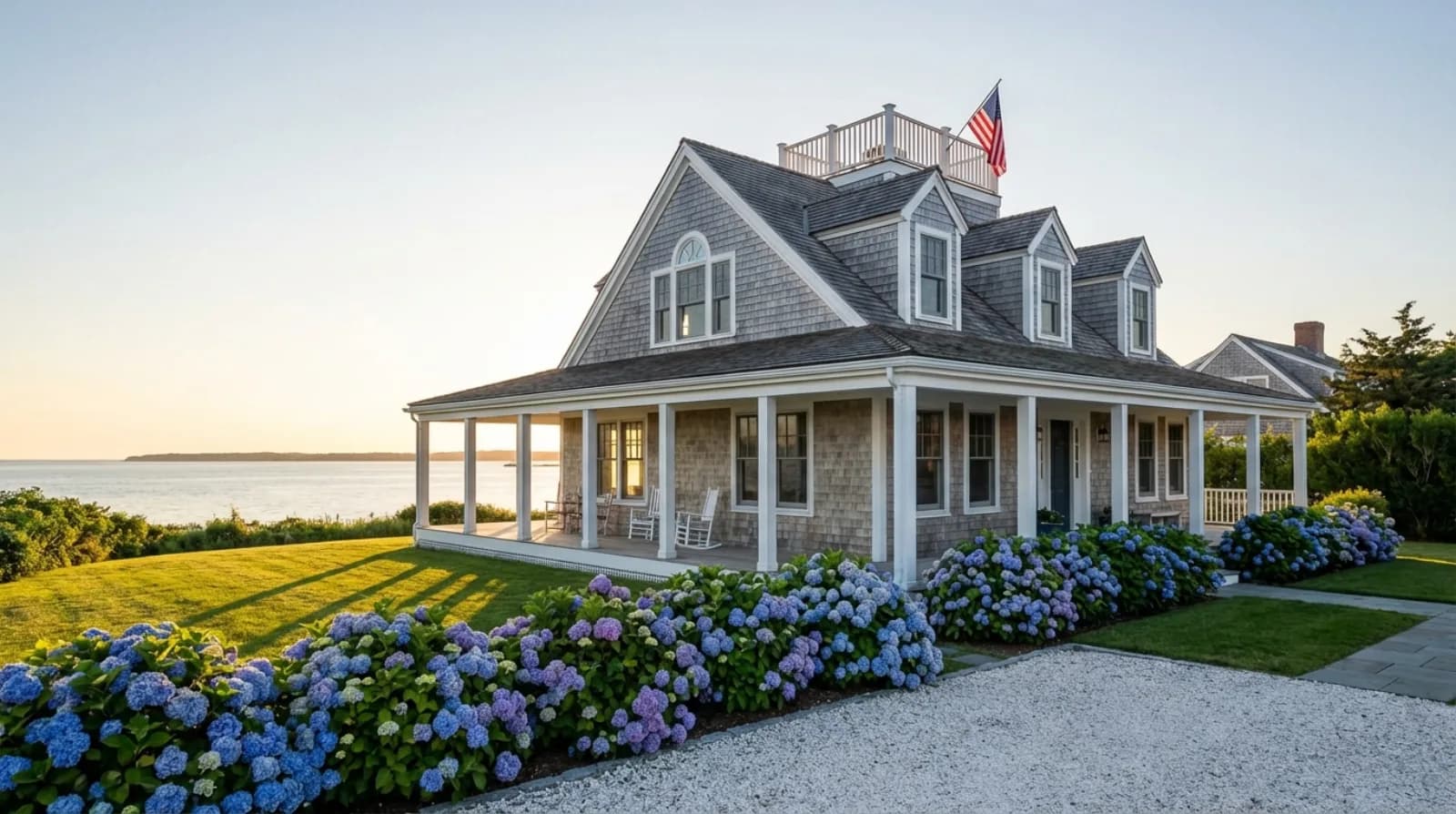
Considering a waterfront property or charming beach cottage? These property types often perform well as vacation rentals.