Find Cape Cod fixer-upper homes with renovation potential. Learn costs, permits, common issues, and ROI by town from Wellfleet to Provincetown.
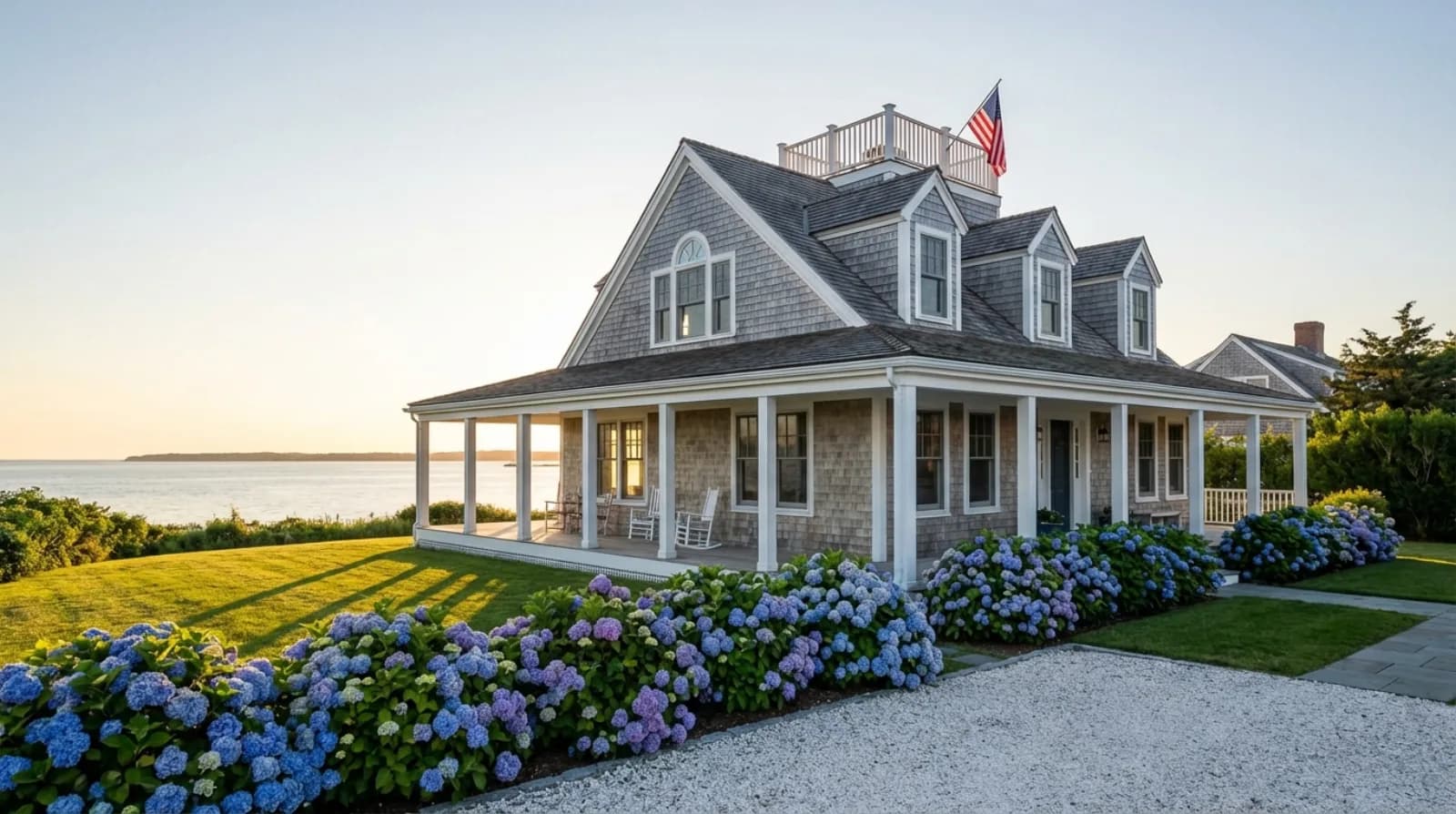
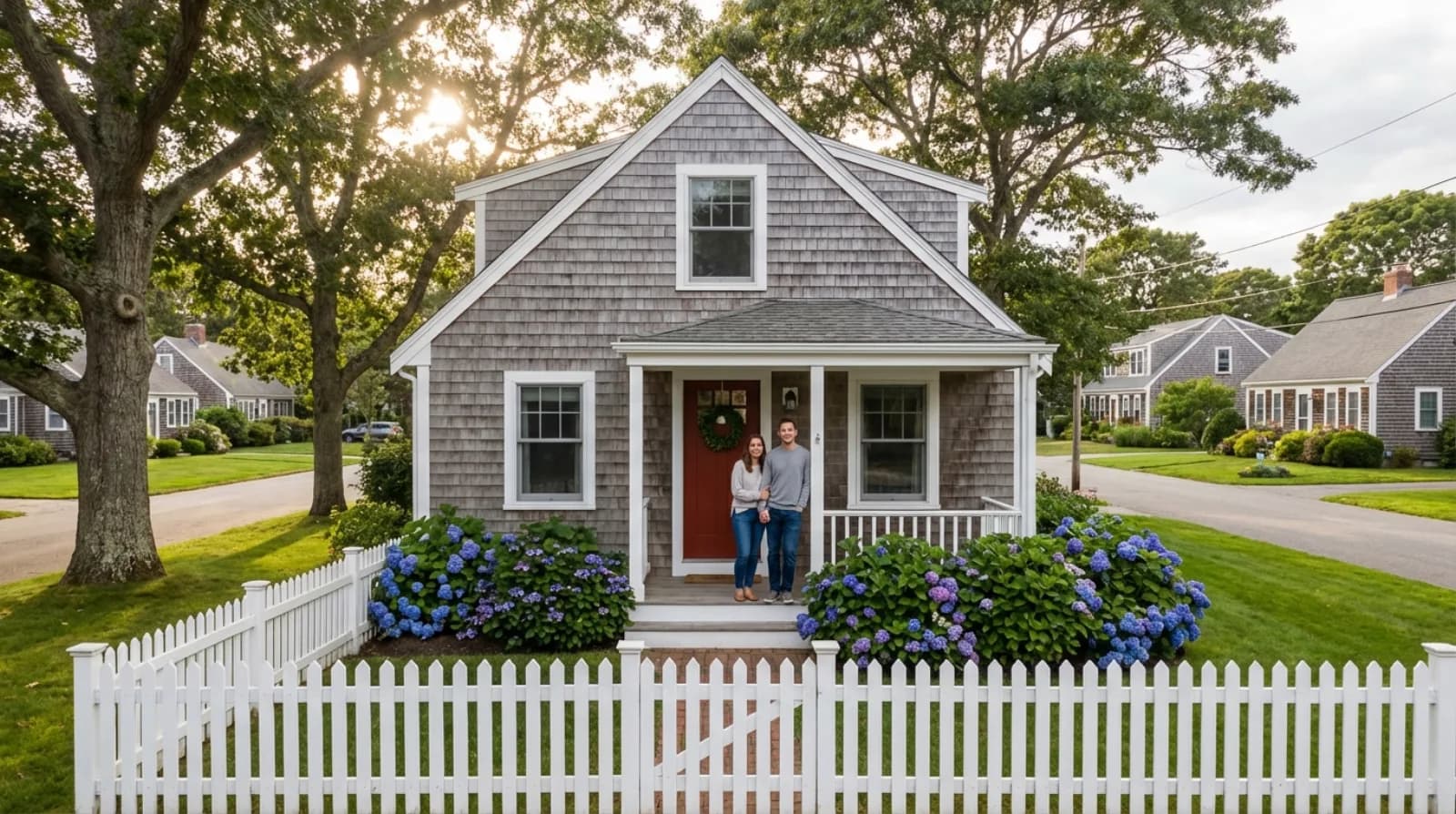
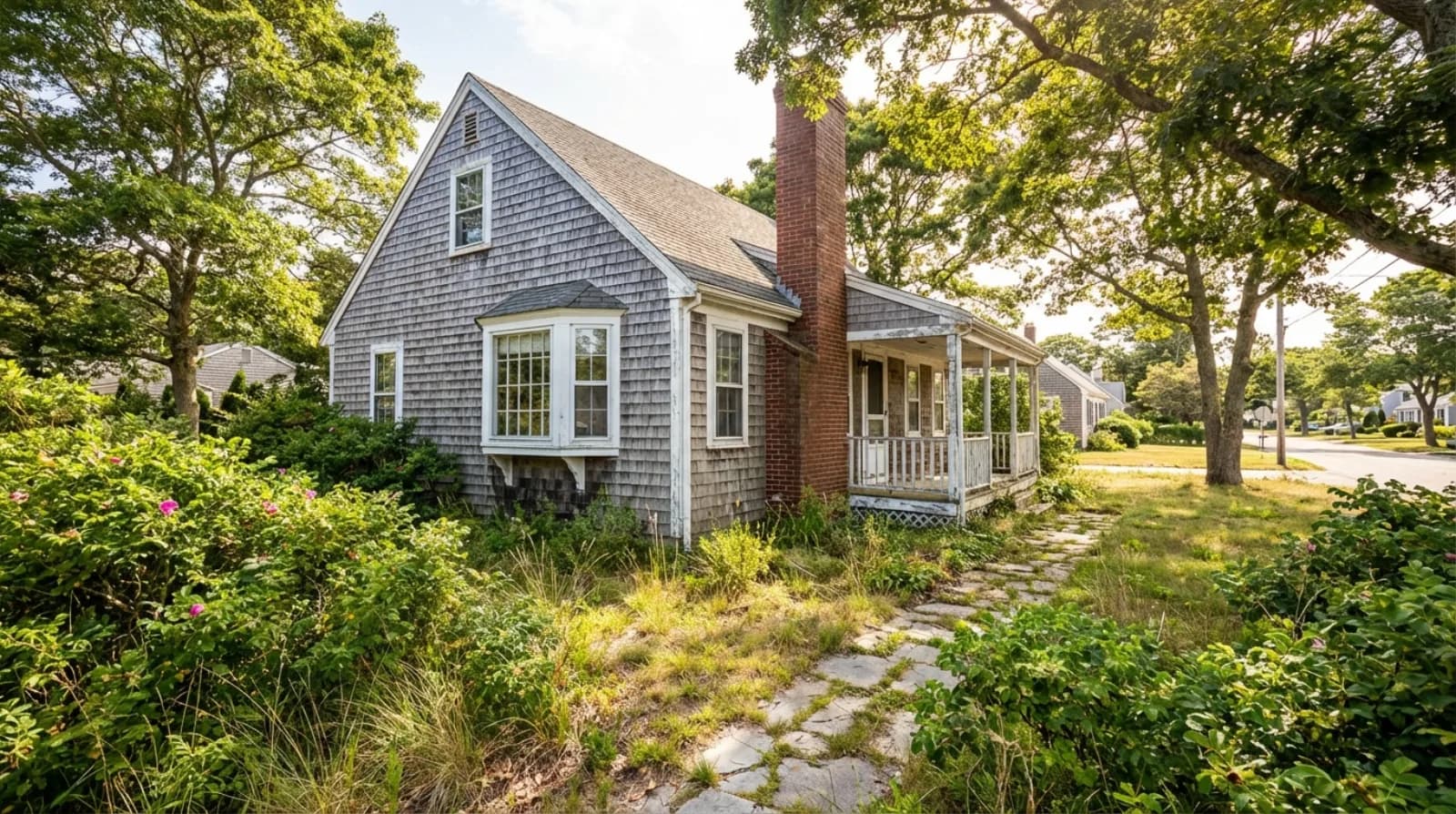
Cape Cod fixer-uppers represent one of the smartest ways to enter a market where median home prices have climbed past $739,000. Properties needing work often sell 20 to 40 percent below comparable renovated homes, giving buyers a rare opportunity to build equity through thoughtful improvements. A renovated three-bedroom cottage in Wellfleet might list above $900,000, while a fixer-upper in the same neighborhood could trade in the low $600,000s.
This guide covers where to find Cape Cod fixer-uppers, what renovations cost, common issues to watch for, and how to navigate permits and historic district requirements unique to the Cape.
Why Cape Cod Fixer-Uppers Are a Smart Investment
Cape Cod's real estate fundamentals make fixer-uppers especially compelling. Inventory remains tight at roughly two months of supply, and the region has delivered compound annual appreciation of 9.3 percent over six years. Buying below market and renovating into that rising tide amplifies returns.
Entry price advantage. Fixer-uppers attract fewer competing offers than turnkey homes, where bidding wars remain common. The 20 to 40 percent discount on purchase price creates immediate equity potential.
Customization value. On Cape Cod, where architectural authenticity commands a premium, sensitive renovations that respect a home's character often outperform generic flips at resale.
Rental income potential. Well-renovated Outer Cape homes average $3,000 to $6,000 per week in peak summer rental income, creating returns through both appreciation and cash flow. See our Cape Cod real estate investment guide for detailed analysis.
Where to Find Fixer-Uppers by Town
Wellfleet
Wellfleet offers strong fixer-upper value with a median price around $937,500. The town's stock of mid-century cottages provides renovation candidates, and properties near Wellfleet Harbor carry premium location value even in unrenovated condition. Fixer-uppers in the $500,000 to $700,000 range still surface, particularly homes set back from the water.
Eastham
Eastham is the most accessible Outer Cape entry point. A concentration of postwar ranch houses and small Capes provides renovation inventory, with fixer-uppers trading in the $400,000 to $600,000 range. Proximity to the Cape Cod National Seashore creates strong demand once properties are updated.
Truro
Truro fixer-uppers tend to be older cottages on larger lots with expansion potential. At a median price around $1.16 million, properties in the $700,000 to $900,000 range offer significant upside, especially those with water views that renovations could enhance through expanded windows or additions.
Provincetown
Provincetown presents a unique fixer-upper market. Historic properties offer tremendous character but also renovation complexity. With median prices exceeding $2 million, even distressed properties command high prices, though the gap between unrenovated and renovated values rewards patient buyers.
Typical Renovation Costs
Renovation costs on Cape Cod run 15 to 25 percent higher than national averages due to geography, limited contractor availability, and material transportation costs.
| Project | Estimated Cost |
|---|---|
| Kitchen remodel (full) | $45,000 - $90,000 |
| Bathroom remodel | $20,000 - $45,000 |
| Roof replacement | $15,000 - $35,000 |
| Foundation repair | $10,000 - $50,000+ |
| Septic system (Title 5) | $25,000 - $60,000 |
| Windows (whole house) | $15,000 - $30,000 |
| Insulation upgrade | $8,000 - $20,000 |
| Exterior shingles | $20,000 - $45,000 |
Always budget a 15 to 20 percent contingency. Older homes frequently reveal hidden issues once walls are opened.
Common Issues to Watch For
Foundations
Foundation condition is the most critical factor in any fixer-upper purchase. Cape Cod's sandy soil and high water table create specific challenges. Look for bowed walls, cracks wider than a quarter inch, water infiltration, and mold in crawl spaces.
Roofing
Coastal storms and salt air punish roofing aggressively. Inspect for multiple shingle layers, sagging ridgelines, and attic leaks. A roof lasting 25 years inland may need replacement after 15 to 18 years on the Cape.
Septic Systems and Title 5
A failed Title 5 inspection can require a $25,000 to $60,000 replacement. Nitrogen-removing systems, increasingly required in Cape Cod watershed areas, fall at the higher end. Always request Title 5 results before making an offer, and understand that septic capacity may limit future expansion.
Insulation and Energy
Many older homes were built as summer cottages with minimal insulation. Converting to year-round use requires adding insulation throughout. Heat pumps have become popular for Cape Cod's moderate climate and can dramatically reduce energy costs.
Electrical and Plumbing
Pre-1960 homes may have knob-and-tube wiring, undersized panels, or galvanized steel plumbing. Modernizing these systems typically costs $15,000 to $30,000 combined but is essential for safety and insurability.
Flood Zones
Many Cape Cod properties fall within FEMA flood zones, affecting insurance costs and renovation requirements. Properties in high-risk zones may need elevation to meet current standards. Review flood zone maps before purchasing any coastal fixer-upper.
Permits, Zoning, and Historic Districts
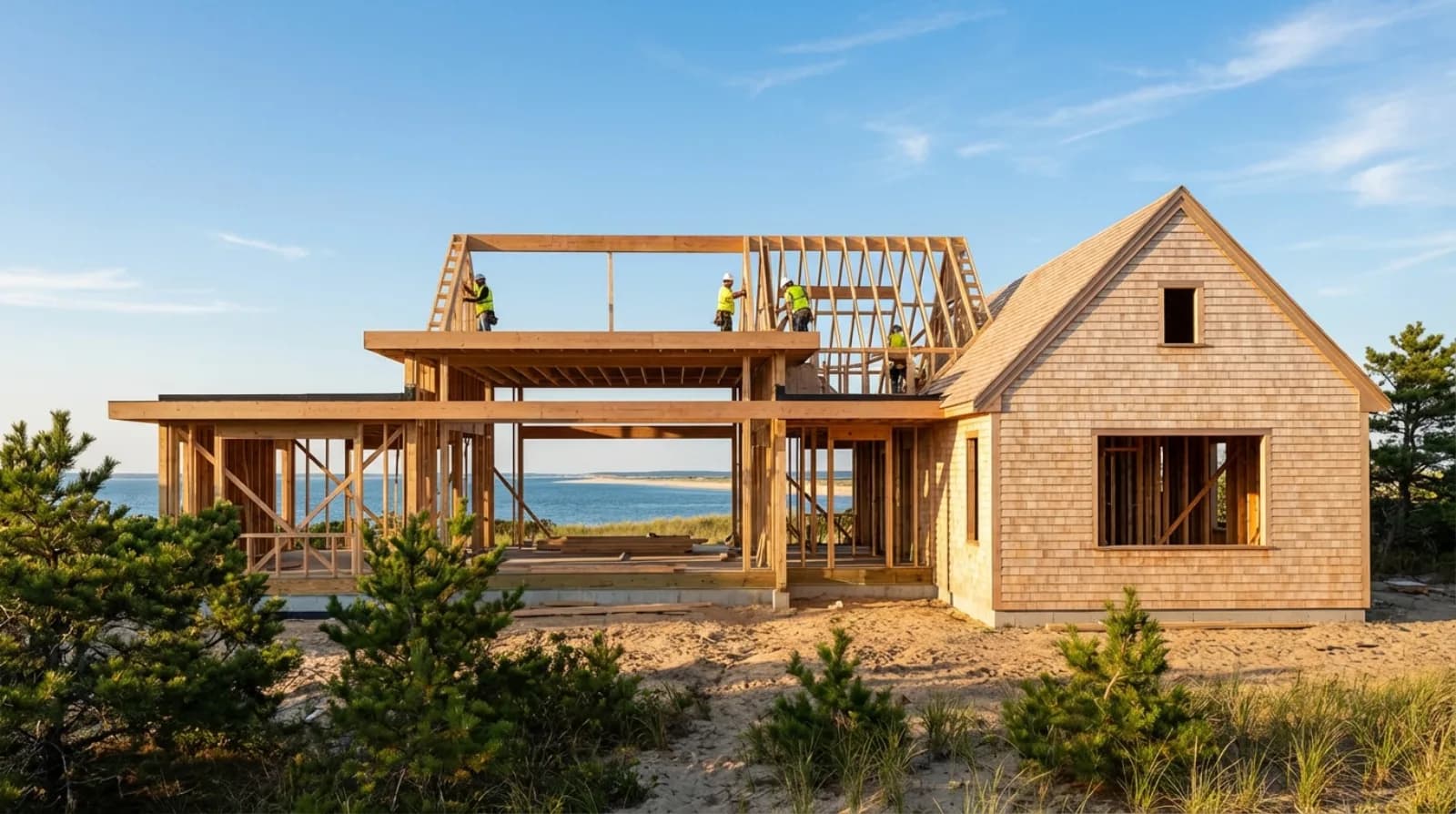
Massachusetts requires permits for virtually all renovation work beyond painting. Permit costs run $500 to $3,000 depending on scope, and the permitting process can add four to ten months before construction begins.
Each town enforces its own zoning bylaws governing lot coverage, setbacks, height, and use restrictions. Verify zoning requirements before assuming you can add square footage or convert to rental use.
Historic District Considerations
Properties within local historic districts require Historic District Commission review for exterior changes visible from a public way. This affects windows, siding, roofing materials, and additions.
Provincetown's historic district protects 929 properties with detailed preservation guidelines. Commission approval can add months to your timeline and limit material choices. Wellfleet maintains two National Register historic districts covering 189 properties in the town center and Paine Hollow.
Towns also enforce demolition delay bylaws of 6 to 18 months for pre-1940 homes. For more detail, see our Cape Cod historic homes guide.
Maximizing Your Renovation ROI
Not all renovation dollars return equal value. On Cape Cod, these improvements deliver the strongest returns:
Kitchen and bathroom updates typically return 70 to 90 percent of investment at resale while making the property more livable and rentable.
Energy efficiency upgrades reduce operating costs and appeal to year-round buyers. New insulation, windows, and heat pumps are particularly valued.
Preserving character details matters enormously. Original wide-plank floors, exposed beams, and brick chimneys add value that new construction cannot replicate. Refinish rather than replace wherever possible.
Outdoor living spaces deliver outsized returns. Decks, outdoor showers, and native landscaping with beach plum and rosa rugosa cost relatively little but significantly increase appeal.
Financing Options
FHA 203(k) Rehabilitation Loans combine purchase and renovation costs into a single mortgage with as little as 3.5 percent down.
Fannie Mae HomeStyle Loans offer a conventional alternative bundling purchase and renovation financing with broader project eligibility.
Home equity lines provide flexible financing for phased renovations, especially viable given Cape Cod's strong appreciation history.
Frequently Asked Questions
How much does it cost to renovate a house on Cape Cod?
A moderate whole-house renovation typically costs $150,000 to $300,000, running 15 to 25 percent above national averages. Always budget a 15 to 20 percent contingency for unexpected issues common in older Cape homes.
What should I look for when buying a Cape Cod fixer-upper?
Prioritize foundation condition, roof integrity, Title 5 septic compliance, electrical and plumbing age, and flood zone designation. These structural factors determine whether a property is a smart buy. Cosmetic issues like outdated kitchens are the most profitable problems to solve.
Do I need special permits to renovate on Cape Cod?
Yes. Building permits are required for most work beyond painting. Historic district properties also need commission approval for exterior changes. Septic work requires Board of Health permits, and wetland-adjacent properties may need Conservation Commission review.
Start Your Fixer-Upper Search
The combination of strong appreciation, rental income potential, and lifestyle value makes Cape Cod renovation projects especially rewarding. Start contractor conversations early since the best builders maintain waiting lists of six months or more.
Ready to explore properties with renovation potential? Browse current listings or contact Mark Lynett to discuss your fixer-upper goals. With deep knowledge of the Outer Cape market and connections to trusted local contractors, Mark helps buyers find properties where smart renovation creates lasting value.