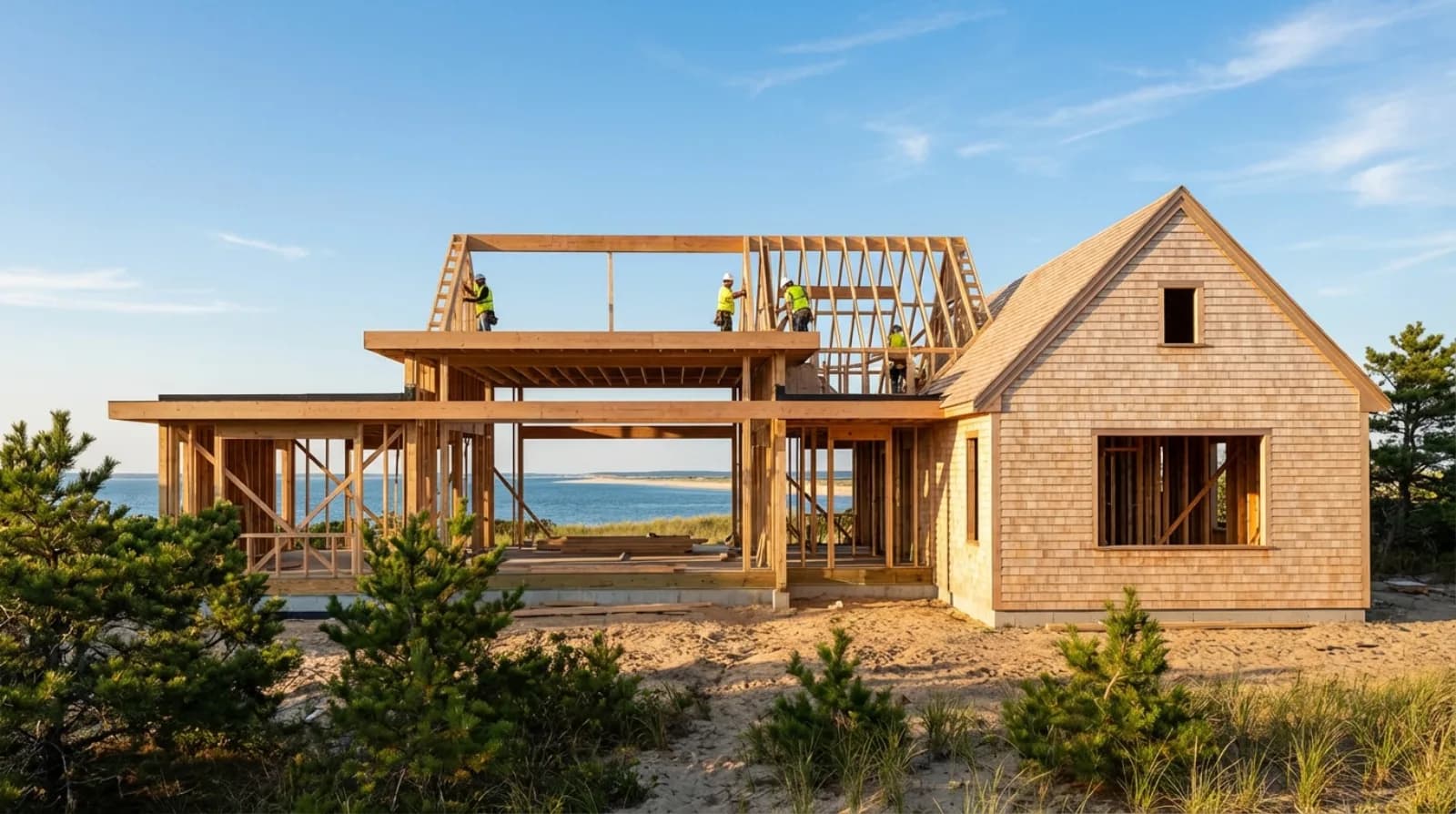
Planning new construction on Cape Cod? Learn about zoning, permits, building costs, National Seashore restrictions, and energy codes for Outer Cape towns.
Building a new home on Cape Cod is one of the most rewarding ways to own coastal property -- and one of the most complex. Between municipal zoning, Cape Cod National Seashore restrictions, wetland setbacks, and evolving energy codes, the path from vacant lot to finished home demands local expertise. As of early 2026, the median list price for new construction on the Cape is approximately $1.7 million, with custom builds ranging from $350 to $600 per square foot.
This guide covers where you can build, what it costs, how long it takes, and the regulations that make building on the Outer Cape uniquely challenging. Whether you are considering a lot in Provincetown, Truro, or Wellfleet, understanding these factors upfront saves months of delays.
Why New Construction on Cape Cod Is Different
Cape Cod new construction differs fundamentally from building in most other markets. The combination of federal land protections, local conservation regulations, limited infrastructure, and a compressed building season creates an environment requiring specialized knowledge.
Roughly 27,000 acres fall within the Cape Cod National Seashore boundary, spanning six towns from Chatham to Provincetown. Properties inside the Seashore face strict federal oversight on top of municipal permitting. Even outside the Seashore, Cape towns enforce aggressive wetland buffers, groundwater protection zones, and height restrictions.
Land scarcity is the biggest constraint. Cape Cod's geography limits developable parcels, and environmental regulations further restrict where you can build. This scarcity drives the Cape's consistent property appreciation, as detailed in our real estate investment guide.
Zoning, Permitting, and the National Seashore
Every new construction project on Cape Cod requires multiple layers of approval. Each of the 15 towns maintains its own zoning bylaws and permitting timelines.
Essential Permits
- Zoning Permit -- Confirms compliance with setback, height, and lot coverage requirements
- Building Permit -- Authorizes construction after plan review
- Conservation Permit -- Required for work near wetlands, flood zones, or coastal resources
- Board of Health Approval -- Covers septic system design and Title 5 compliance
- Driveway Permit -- Required for new access points to public roads
In Provincetown, Historic District Commission approval may also be required. Truro and Wellfleet require Conservation Commission hearings for nearly all new construction due to prevalent wetland resource areas.
Cape Cod National Seashore Restrictions
Properties within the Seashore face the most restrictive building environment on the Cape. Established in 1961, it imposes federal zoning standards across Provincetown, Truro, Wellfleet, Eastham, Orleans, and Chatham.
Key restrictions include:
- No new construction on undeveloped parcels within the Seashore boundary
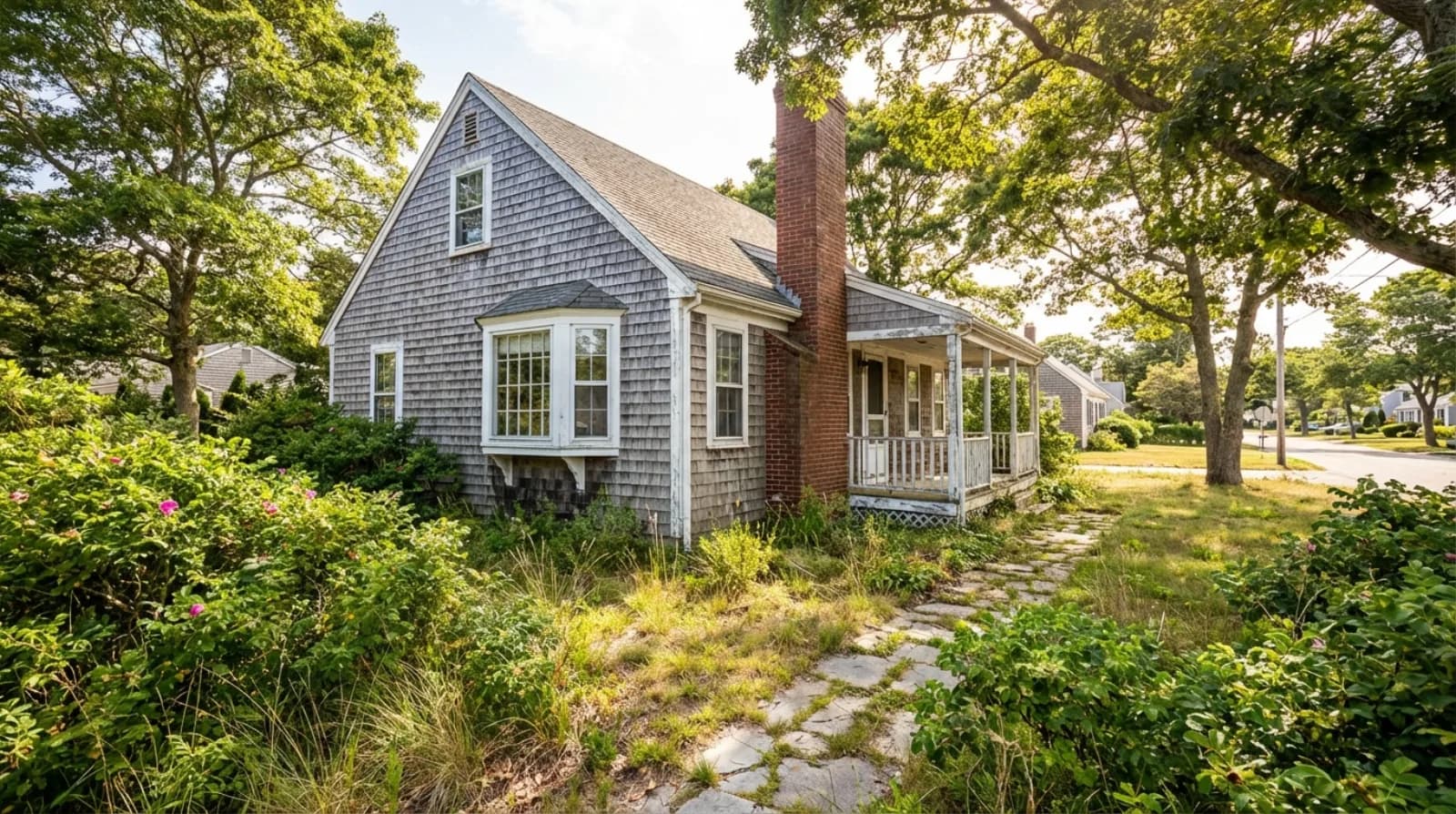
- Existing homes generally cannot expand beyond 50% of the original footprint
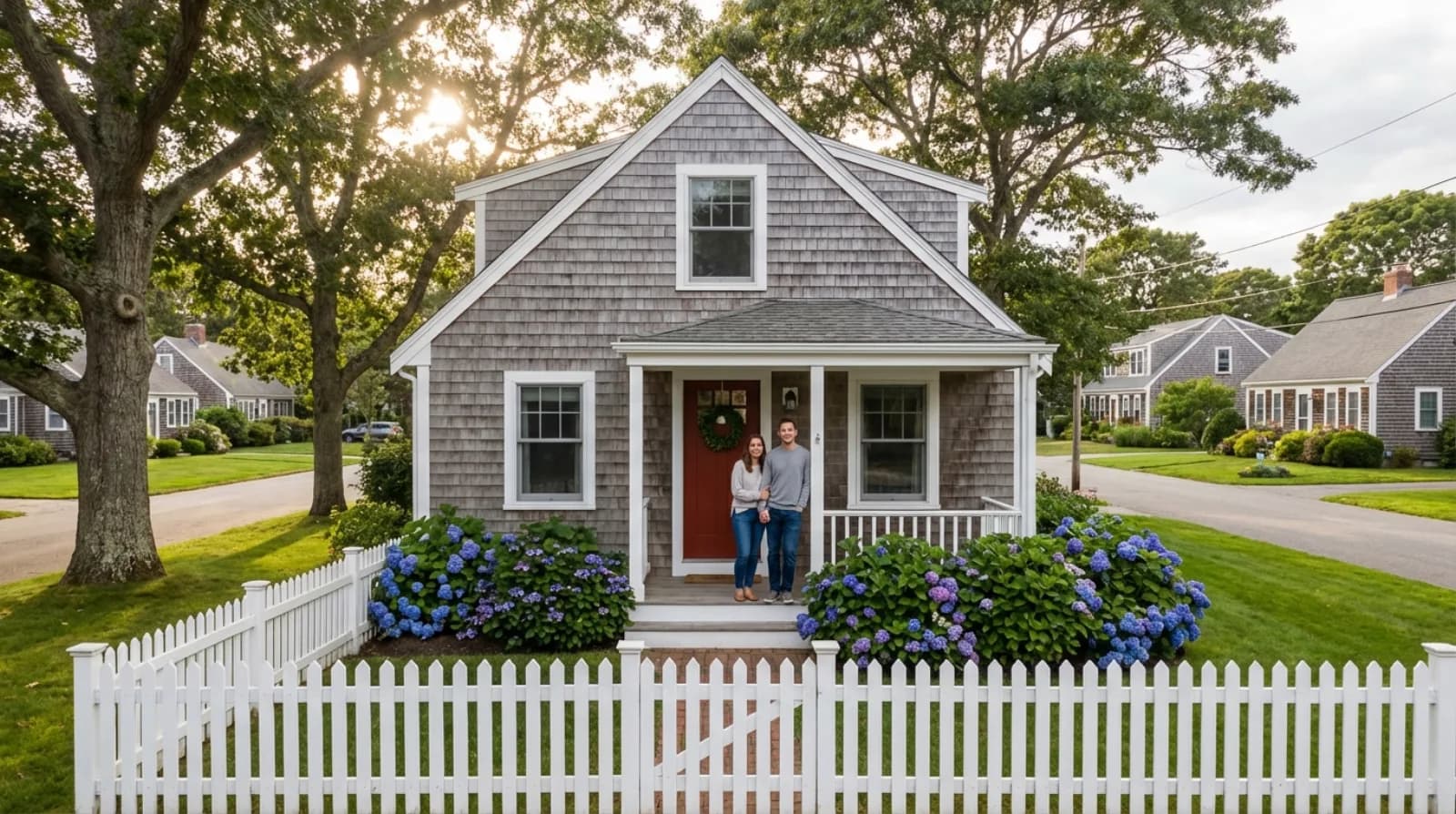
- Structures must maintain traditional Cape Cod architectural character
- All modifications require Park Service review in addition to town permits
Verifying whether a parcel falls within the Seashore boundary is a critical first step. Parcels outside the boundary -- particularly on the bay side of Route 6 in Truro and Wellfleet -- offer significantly more flexibility.
What New Construction Costs on Cape Cod
Cape Cod building costs run well above national averages due to labor shortages, material transportation costs, and the complexity of coastal construction.
| Build Type | Cost Per Sq Ft | Typical Total (2,500 sq ft) |
|---|---|---|
| Builder-grade | $280--$350 | $700K--$875K |
| Semi-custom | $350--$450 | $875K--$1.13M |
| Full custom | $450--$600+ | $1.13M--$1.5M+ |
| Luxury waterfront | $600--$800+ | $1.5M--$2M+ |
These figures reflect 2025--2026 estimates for construction only. Land, permits, site preparation, and septic add substantially to the total.
Key cost drivers for 2026: Lumber remains elevated at $520--$650 per thousand board feet. Labor accounts for 30--40% of total project costs. Outer Cape septic systems often require engineered designs costing $30,000--$75,000 due to sandy soils and high water tables. For comparison with existing homes, see our waterfront homes guide.
The Building Timeline
New construction on Cape Cod typically takes 14 to 24 months from design to move-in.
- Design and Planning (2--4 months) -- Architecture, engineering, site planning
- Permitting (3--6 months) -- Municipal approvals, Conservation hearings, Board of Health
- Site Preparation (1--2 months) -- Clearing, grading, foundation, septic installation
- Construction (8--12 months) -- Foundation through finish work
- Final Inspections (2--4 weeks) -- Certificate of occupancy
The building season is compressed by weather. Most builders aim to pour foundations before December and complete framing by early spring.
Energy Codes and Green Building
Massachusetts has adopted some of the strictest energy codes in the nation. Many Cape Cod towns are pushing further with the Specialized Energy Code, a significant consideration for 2026 construction.
The Specialized Code requires net-zero readiness for new builds. Homes using fossil fuels must be pre-wired for future all-electric conversion, single-family homes must install a minimum 4 kW of solar, and larger residential buildings may need to meet Passive House standards. As of late 2025, 56 municipalities have adopted this opt-in code.
Cape Light Compact offers incentives up to $40,000 plus technical assistance for high-performance construction, substantially offsetting the 5--15% cost premium of meeting the Specialized Code. Energy-efficient homes also command premium resale prices on the Cape.
Modern vs. Traditional Architecture
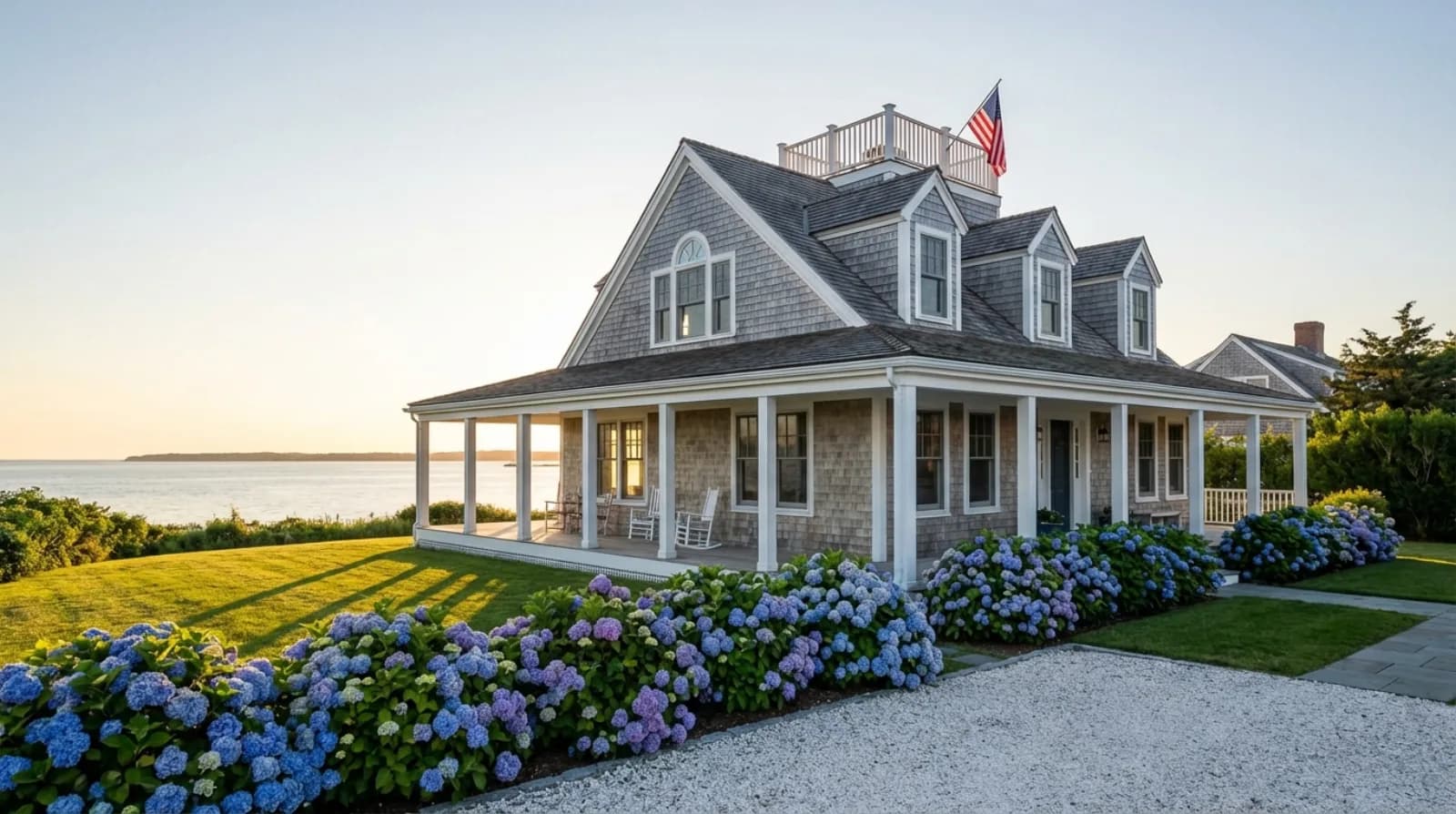
Cape Cod's architectural landscape is evolving. While the classic shingled cottage remains iconic, contemporary designs are increasingly popular -- particularly in Wellfleet and Truro, where modernist homes have a tradition dating to mid-century Bauhaus-influenced designs.
2026 trends include: modern coastal homes blending clean lines and expansive glass with natural shingle cladding; traditional Cape forms updated with oversized windows and indoor-outdoor living spaces; and intimate nooks integrated within open-concept layouts.
Some towns, particularly within the National Seashore, require designs maintaining traditional character. Provincetown's Historic District has its own architectural review. Working with an architect experienced in local review processes is essential. For more on Cape Cod's building heritage, see our historic homes guide.
Finding Buildable Land
Buildable lots on the Outer Cape are scarce. In Provincetown, vacant land suitable for construction rarely comes to market. Truro offers more availability on the bay side, while Wellfleet and Eastham have pockets of buildable land in residential neighborhoods outside the Seashore boundary.
Before purchasing a lot, confirm: the parcel sits outside the National Seashore boundary (or understand the restrictions); order a percolation test for septic feasibility; review the flood zone designation; check wetland delineation with a conservation agent; verify water supply availability; and review deed restrictions or easements.
Frequently Asked Questions
Can you build a new home inside the Cape Cod National Seashore?
Generally, no. The Seashore prohibits new construction on undeveloped parcels. Existing homes may be renovated or modestly expanded -- typically no more than 50% beyond the original footprint -- and must maintain traditional Cape Cod character. All modifications require federal review.
How much does it cost to build a house on Cape Cod in 2026?
New construction ranges from $280 to $600+ per square foot. A typical 2,500-square-foot custom home costs $875,000 to $1.5 million for construction alone, before land, permits, and site work. Luxury waterfront builds can exceed $2 million.
How long does it take to build a new home on Cape Cod?
Plan for 14 to 24 months from design to move-in. Permitting alone takes 3 to 6 months on the Outer Cape, and construction runs 8 to 12 months depending on complexity and weather.
Start Planning Your Cape Cod Build
Building on Cape Cod requires navigating complexity, but the result is a custom home designed to your specifications in one of New England's most desirable locations. The key is working with experienced local professionals who understand the regulatory landscape.
Browse available listings to compare existing homes with new construction opportunities, or explore Outer Cape neighborhoods to find the right location. When you are ready to discuss your plans, contact Mark Lynett for expert guidance on new construction and land opportunities across Cape Cod.