Discover what year-round life on Cape Cod is really like. From quiet winter months to tight-knit communities and remote work opportunities, learn why more people are making the Outer Cape their permanent home.
The ferry from Boston arrives in Provincetown on a December afternoon, and something feels different. The crowds that packed Commercial Street in July have vanished. Storefronts display "See You in Spring" signs. And yet, smoke rises from chimneys, lights glow in windows, and the year-round community goes about its daily life with a contentment that surprises newcomers.
Cape Cod year-round living represents a choice that more people are making every year. The 2020 census revealed significant population increases across the Outer Cape: Provincetown grew by 24.5 percent, Truro by 22.5 percent, and Wellfleet by nearly 30 percent. These numbers reflect a fundamental shift in who calls Cape Cod home and why they stay.
If you're considering making the Cape your permanent residence, understanding what life is truly like beyond the summer season will help you make an informed decision. This guide explores the realities, rewards, and practical considerations of year-round Cape Cod living, with a focus on the Outer Cape communities of Provincetown, Truro, and Wellfleet.
What Year-Round Life on Cape Cod is Really Like
The transition from summer visitor to year-round resident changes your relationship with Cape Cod fundamentally. What once seemed like an escape becomes home, with all the complexity that entails.
The Rhythm of Seasons
Summer visitors experience Cape Cod at its most crowded and energetic. Year-round residents know the Cape in all its moods. Spring arrives slowly, with cold winds persisting into May while daffodils push through still-chilled soil. Summer brings the familiar crowds, but residents learn the quiet corners and off-peak hours. Fall offers what many consider the best weeks of the year: warm water, thinning crowds, and light that painters have chased for over a century. Winter reveals a Cape Cod that tourists never see.
This seasonal rhythm shapes daily life in ways both practical and profound. You learn to stock pantries before nor'easters, to schedule appointments around summer traffic, to treasure the weeks when beaches stretch empty in both directions.
A Different Pace
Living on Cape Cod year-round means accepting a pace of life that feels increasingly rare in contemporary America. Things move more slowly here. Conversations last longer. Neighbors know each other's names and notice when someone's routine changes.
This slower pace appeals to those escaping the relentless urgency of urban life. It challenges those who equate productivity with constant activity. Finding the right balance between engagement and relaxation takes time, but residents who achieve it rarely want to return to faster-paced places.
The Trade-offs
Honesty requires acknowledging what year-round Cape Cod living lacks. Major shopping options are limited. Medical specialists practice off-Cape. Cultural institutions that urbanites take for granted don't exist here. The nearest airport with major connections is in Boston or Providence.
These limitations create the community that makes Cape Cod special. When options are limited, neighbors depend on each other. When distances are significant, trips become intentional rather than casual. The trade-offs that seem like drawbacks often reveal themselves as features once you've adjusted to a different way of living.
Winter on Cape Cod: The Off-Season Experience
Winter transforms Cape Cod in ways that surprise those who only know the summer version. Understanding what the off-season offers helps prospective year-round residents appreciate the full picture.
The Quiet Months
January and February bring Cape Cod's quietest weeks. The population drops to its lowest levels. Many seasonal businesses close entirely. Streets that were impassable in July now see only occasional traffic.
This quiet appeals to writers, artists, and anyone seeking uninterrupted time. The creative community that has called Cape Cod home for over a century values these months for the work they make possible. Studios with north-facing windows come alive with activity. Coffee shops become informal gathering places where manuscripts are discussed and canvases critiqued.
Weather Realities
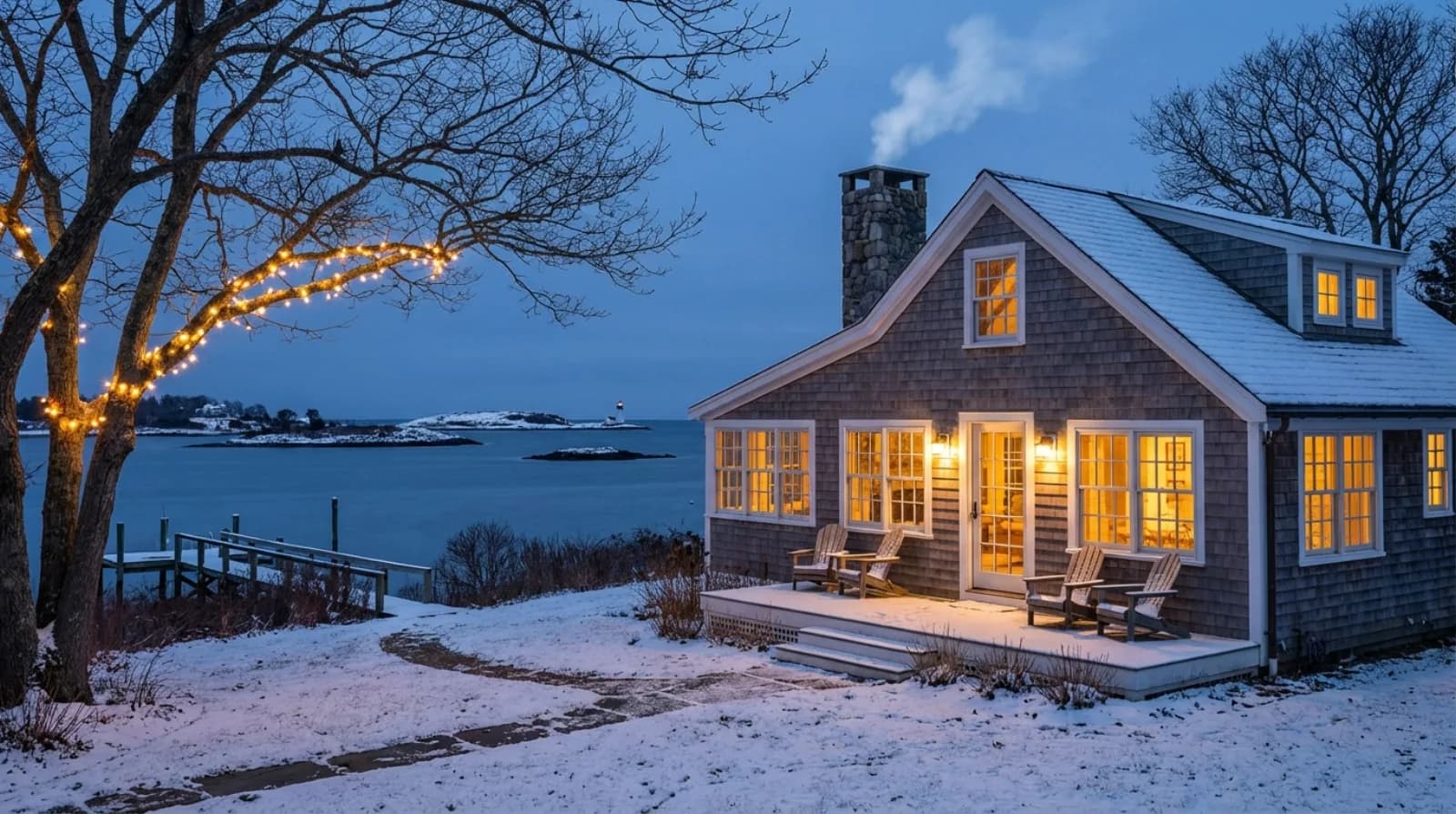
Cape Cod's maritime climate moderates winter temperatures compared to inland Massachusetts. Snow accumulates less frequently and melts more quickly than in Boston. However, nor'easters bring their own challenges: significant snow, powerful winds, and occasional flooding. Power outages occur, sometimes lasting days, and prepared residents keep generators and extra supplies.
The wind remains the defining feature of winter weather, making temperatures feel colder than thermometers indicate. But these same winds prevent the stagnant, gray conditions that blanket inland areas for weeks at a time.
What Stays Open
Contrary to what summer visitors might assume, essential services remain available year-round. Grocery stores, pharmacies, and medical facilities continue operating. Restaurants and cafes rotate between seasonal closures, but options exist in every month.
In Provincetown, a core of restaurants and shops maintain year-round hours, creating a downtown that remains alive even in February. Wellfleet's harbor district retains activity as oyster farmers work through the winter months. Truro, with its limited commercial development, relies on neighboring towns for most services regardless of season.
The Outer Cape Health Services network provides year-round medical care with locations throughout the region. For specialized care, Cape Cod Hospital in Hyannis or off-Cape facilities become necessary, a reality that residents factor into their healthcare planning.
Community and Social Life Year-Round
The strength of Cape Cod's year-round community often surprises newcomers. What seems like isolation becomes connection in ways that more populated places rarely achieve.
Tight-Knit Connections
Year-round residents on the Outer Cape number in the thousands rather than tens of thousands. This scale creates relationships of a different character than those found in suburban neighborhoods where residents might never learn their neighbors' names.
When winter storms knock out power, someone with a generator offers refrigerator space. When illness strikes, meals appear on doorsteps. When children need rides, parents form carpools without formal organization. These patterns of mutual support emerge naturally in small communities where people recognize their interdependence.
The LGBTQ+ Community
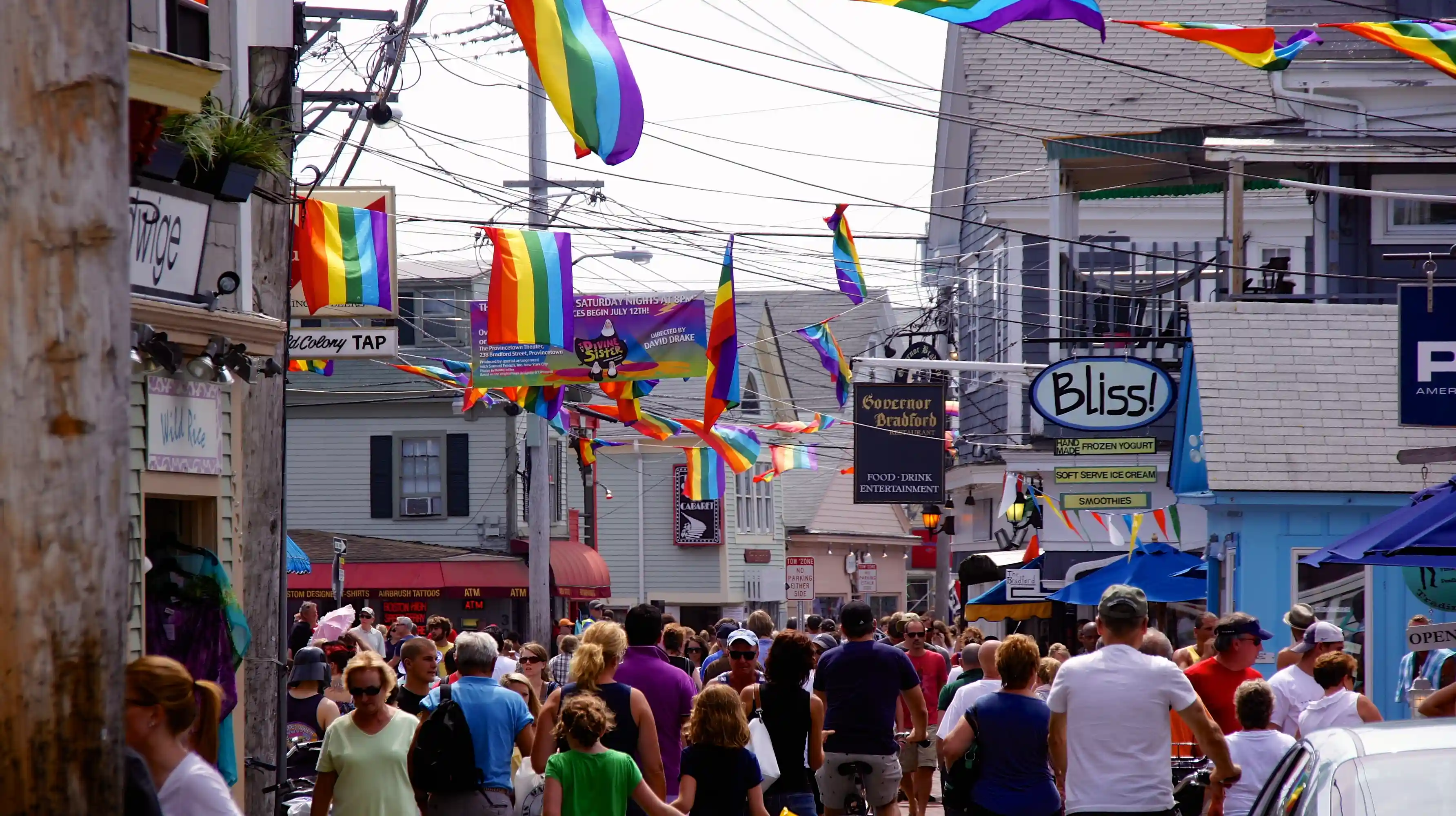
Provincetown holds a unique place in LGBTQ+ history and continues to serve as a sanctuary where LGBTQ+ individuals can live openly and authentically. The 2010 census revealed that Provincetown has the highest rate of same-sex couples of any community in the United States.
This welcoming atmosphere extends beyond statistics. LGBTQ+ families seeking communities where their children can see themselves reflected in their neighbors find that acceptance here. The town's culture of celebration creates space for people to be fully themselves in ways that remain challenging elsewhere.
Year-round LGBTQ+ residents maintain community connections through organizations, informal gatherings, and the simple daily interactions that build relationships over time. The community remains active and connected even as summer visitors depart.
Cultural and Social Activities
The assumption that Cape Cod goes dormant in winter proves false. Libraries function as community centers. The Provincetown Art Association and Museum maintains year-round exhibitions. The Wellfleet Harbor Actors Theater produces shows beyond summer. Book clubs, fitness groups, and volunteer organizations bring residents together regularly, creating the social fabric that makes community feel real.
Jobs and Remote Work Opportunities
The practical question of employment shapes many decisions about year-round Cape Cod living. Understanding the job market and emerging opportunities helps prospective residents plan realistically.
Traditional Employment
The Outer Cape economy centers on tourism, hospitality, real estate, healthcare, and trades. Healthcare employs significant year-round workers through Outer Cape Health Services and other providers. The trades maintain year-round demand as homeowners maintain and improve properties. Education provides another anchor through the Nauset Regional School District.
The Remote Work Revolution
The shift toward remote work has transformed Cape Cod's year-round viability for a new category of residents. Tech workers, consultants, financial professionals, writers, and designers whose work travels through internet connections have discovered that Cape Cod offers a quality of life that compensates for any inconveniences.
The infrastructure supports remote work reasonably well. High-speed internet reaches most areas, though service quality varies by location. Co-working spaces have emerged to serve those who prefer working outside their homes.
Creative Economy
The Cape's century-long history as an art colony creates opportunities for artists, writers, and other creative professionals. Galleries in Provincetown and Wellfleet show local work. The Fine Arts Work Center supports emerging artists with residencies and community.
Services and Amenities Available Year-Round
Practical considerations matter when evaluating year-round Cape Cod living. Medical care centers on Outer Cape Health Services, with facilities in Provincetown, Wellfleet, and Harwich providing primary care year-round. For specialized needs, Cape Cod Hospital in Hyannis serves as the regional center, roughly an hour from Provincetown.
Grocery shopping requires adjustment. Small markets in Provincetown and Wellfleet maintain year-round hours but offer limited selection. Most residents make regular trips to larger grocery stores in Orleans or Eastham. For major shopping, Hyannis offers the closest concentration of chain retailers.
Restaurant options contract in winter, but quality establishments remain open. Provincetown maintains the strongest year-round dining scene. Entertainment continues through off-season cultural events, film screenings, and live performances adapted to smaller but no less engaged audiences.
A car remains essentially necessary. Public transportation options are limited, and the ferry service to Boston operates on reduced winter schedules. For those traveling off-Cape regularly, the drive to Boston takes roughly two hours without traffic.
Best Towns for Year-Round Living
Each Outer Cape community offers distinct advantages and challenges for year-round residents. Understanding these differences helps match your priorities with the right location.
Provincetown: Vibrant Year-Round Community
Provincetown offers the strongest year-round community infrastructure on the Outer Cape. With approximately 3,600 year-round residents, the town maintains the critical mass needed to support businesses, services, and social connections throughout the year.
The walkable downtown means daily life can happen without a car for many needs. Groceries, dining, pharmacies, and social connections cluster within walking or biking distance. This concentration creates the spontaneous interactions that build community.
The active LGBTQ+ community, thriving arts scene, and cultural programming continue year-round. For those seeking an engaged, social lifestyle, Provincetown delivers what more isolated locations cannot.
The trade-off comes in cost and density. Provincetown real estate commands premium prices, with single-family homes at a median of approximately $2.15 million. The compact nature of the town means less space and privacy than more rural locations offer.
Living in Provincetown MA appeals to those who prioritize community connection, walkability, and cultural engagement over space and solitude.
Truro: Privacy and Natural Beauty
Truro attracts year-round residents seeking a different experience. With just over 2,000 year-round residents spread across a town where more than half the land is protected conservation space, Truro offers privacy and natural immersion that other locations cannot match.
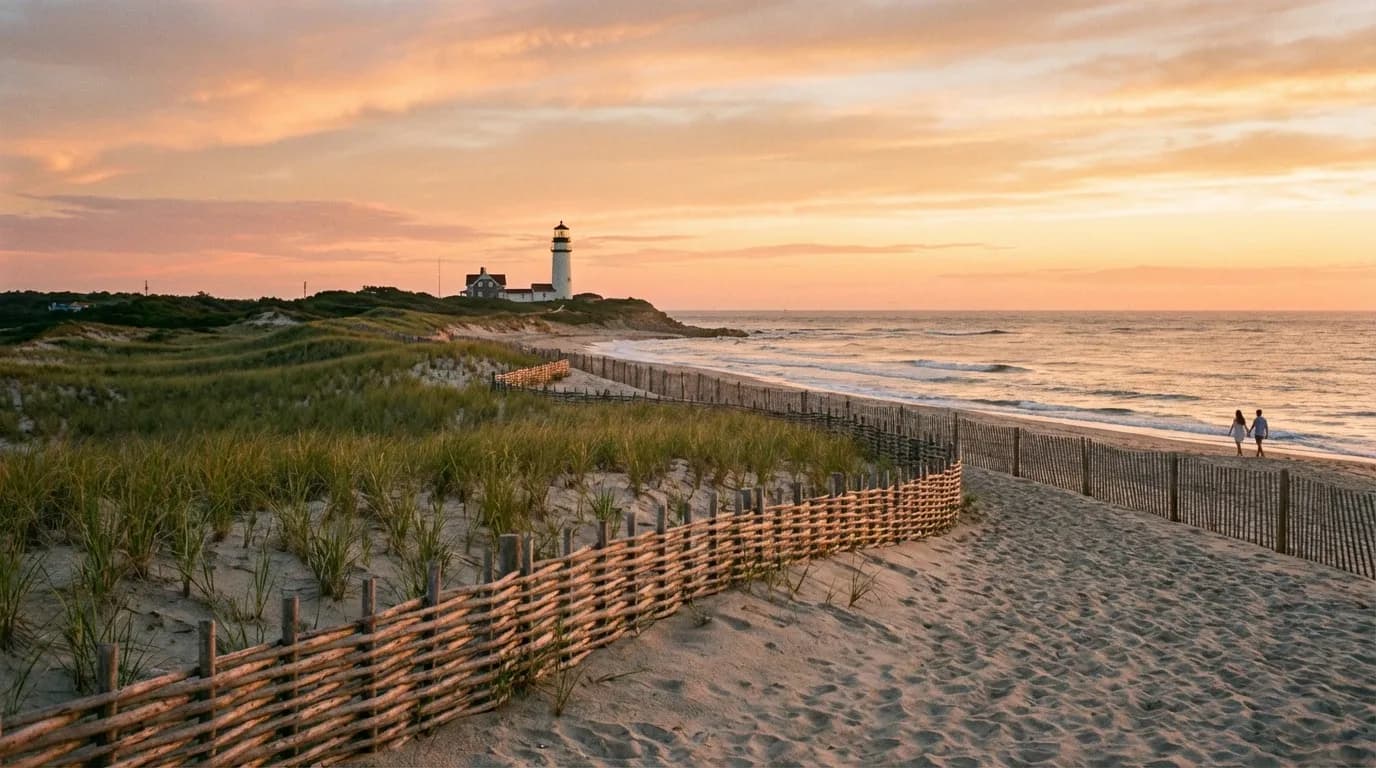
The landscape dominates here. Highland Light, the oldest lighthouse on Cape Cod, stands watch over dramatic Atlantic bluffs. The Cape Cod National Seashore protects vast stretches of beach and dune. Residents develop intimate relationships with this natural environment.
Truro lacks commercial development by design. No downtown, no coffee shops, no gathering places in the traditional sense. Residents drive to Provincetown or Wellfleet for services, accepting this trade-off as the price of privacy.
Single-family homes in Truro have a median price of approximately $1.16 million, representing relative value for those prioritizing land and location over community infrastructure.
Living on the Outer Cape in Truro suits writers, artists, nature lovers, and anyone seeking uninterrupted time in a spectacular setting. It challenges those who thrive on regular social interaction or convenient access to services.
Wellfleet: Village Character and Balance
Wellfleet occupies a middle ground that appeals to many year-round residents. The working harbor, concentrated village center, and thriving gallery scene create community character without Provincetown's intensity or Truro's isolation.
The oyster industry gives Wellfleet a working waterfront atmosphere that persists year-round. Oystermen continue their work through winter months, maintaining the harbor's authentic character. The annual OysterFest draws thousands, but the underlying industry operates continuously.
Village life centers on the harbor district, where galleries, restaurants, and shops create walkable charm. The scale feels manageable, neither overwhelming nor sparse. Year-round residents find enough services and social connection to sustain daily life without excessive driving.
Single-family homes in Wellfleet have a median price of approximately $937,500, representing the most accessible entry point on the Outer Cape. This relative value, combined with authentic village character, attracts families, artists, and others seeking community without premium pricing.
For Cape Cod second home buyers considering eventual year-round residence, Wellfleet often represents an ideal balance of value, community, and lifestyle.
Beyond the Outer Cape
While this guide focuses on the Outer Cape, year-round residents should consider the full range of Cape Cod communities. Towns like Orleans, Chatham, and Harwich offer stronger year-round infrastructure with more services, shopping, and employment options. The neighborhoods overview provides information on all Cape Cod communities.
Making the Transition
For those ready to explore Cape Cod year-round living, thoughtful planning smooths the transition. Consider spending an extended winter on Cape Cod before purchasing. Rent a home for January through March to experience the quiet months firsthand and test your assumptions.
Integration into year-round community happens through participation rather than proximity. Volunteer with local organizations. Attend town meetings. Join interest groups. Show up consistently, and relationships develop naturally. Year-round residents notice newcomers who engage with the community.
Plan for practical realities: establish relationships with local healthcare providers, understand your options for specialized care, and prepare for winter driving conditions. Financial planning should account for seasonal employment fluctuations and higher costs of goods in remote locations.
Is Year-Round Cape Cod Living Right for You?
Year-round Cape Cod living suits those who value natural beauty, authentic community, and a pace of life shaped by seasons rather than schedules. It rewards those willing to accept trade-offs in convenience for gains in quality of life that resist easy measurement.
The quiet of winter beaches. The light that has drawn artists for over a century. Neighbors who become friends. Creative work that finds space to emerge. These rewards compensate for the challenges of limited shopping, distant medical care, and seasonal isolation.
If the prospect of a life shaped by tides and seasons appeals to you, if community connection matters more than convenient consumption, if you're ready to slow down and pay attention to the world around you, Cape Cod may offer what you're seeking.
Ready to explore year-round Cape Cod living? Search available properties in Provincetown, Truro, and Wellfleet, or contact me to discuss what making the Cape your permanent home really involves. As a specialist with Gibson Sotheby's International Realty focusing on Outer Cape real estate, I help buyers find not just houses, but homes in communities that match their values and lifestyle.
Explore the Outer Cape neighborhoods in depth, or learn more about living on the Outer Cape and moving to Cape Cod.