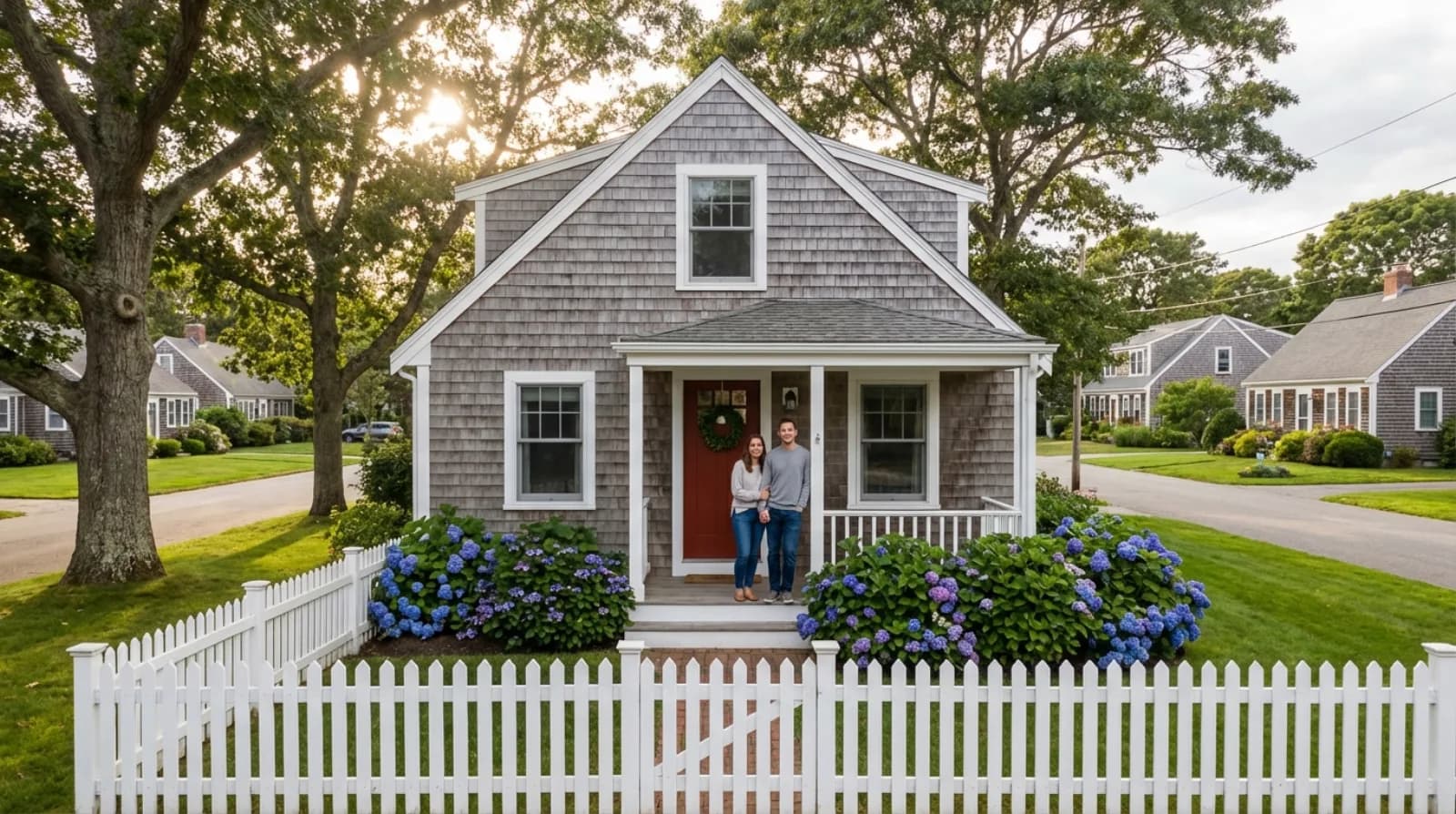
Discover the optimal months to list your Cape Cod home for maximum price and fastest sale. Data-driven insights on seasonal patterns, pricing strategy, and preparation timing for Outer Cape sellers.
When should you sell your Cape Cod home? The answer matters more here than almost anywhere else in Massachusetts. Cape Cod's unique seasonal market dynamics mean that timing your listing strategically can translate into tens of thousands of dollars in final sale price and weeks saved on the market.
This guide examines Cape Cod's selling seasons through the lens of actual market data, revealing why the Outer Cape communities of Provincetown, Truro, and Wellfleet follow patterns both similar to and distinct from the broader Cape market.
Seasonal Market Patterns on Cape Cod
Cape Cod real estate operates on a rhythm dictated by weather, tourism, and the annual migration of seasonal residents. Understanding these patterns is essential for sellers seeking optimal outcomes.
Winter: December Through February
Winter represents Cape Cod's quietest period. New listings are scarce, buyer traffic drops significantly, and days on market typically rise. Inventory reaches annual lows as many property owners retreat from the Cape during these months.
For the Outer Cape specifically, this quietude is even more pronounced. Provincetown's year-round population of roughly 3,000 means fewer local buyers actively searching. Truro and Wellfleet experience similar slowdowns, though serious buyers during this window tend to be highly motivated, often relocating for employment or seeking to close before spring competition arrives.
Winter sellers face longer market times and must price with precision. Success requires meticulous presentation to differentiate from the sparse competition. However, the buyers who do appear are typically financing-ready and prepared to act.
Spring: March Through May
Activity accelerates sharply as winter retreats. Fresh listings emerge, showings multiply, and the best-priced homes attract offers quickly. This is when Cape Cod's selling season truly begins.
Spring captures the broadest buyer pool of the year. Second-home seekers from Boston, New York, and beyond begin their searches in earnest, eager to secure properties before summer. Well-priced homes in desirable locations frequently generate multiple-offer scenarios, particularly those offering turnkey condition, waterfront access, or village proximity.
For Outer Cape sellers, spring brings an additional advantage: buyers want to experience their potential purchase during the shoulder season when they can imagine both peaceful off-season living and summer vibrancy. Properties in Provincetown's walkable West End or Wellfleet's charming village center attract particular interest during this window.
Summer: June Through August
Peak demand arrives with summer. The Cape's population swells from approximately 215,000 year-round residents to over 500,000 during July and August. This influx includes many prospective buyers who fall in love with the region during vacation stays.
On-island buyers and summer visitors keep demand robust, often shortening selling times compared to other seasons. However, buyer attention during summer fragments between vacation activities and property tours. Second-home purchasers dominate this period, and many are making decisions while balancing family vacations and seasonal commitments.
For Outer Cape properties, summer showcases the lifestyle at its most appealing. Buyers can walk to Race Point Beach from Provincetown listings, kayak Wellfleet Harbor before afternoon showings, or watch sunset from Truro's Highland Light. This experiential advantage cannot be replicated in other seasons.
Fall: September Through October
Activity softens from summer peaks but remains meaningful. The serious post-summer buyers return, those who previewed properties in July and August and are now ready to act. These tend to be locally-focused purchasers with genuine intent rather than casual browsers.
Early fall launches can capture motivated buyers while avoiding peak-season competition. Inventory typically decreases during this window, allowing well-positioned listings to stand out. By November, activity drops noticeably as attention shifts toward the holidays.
Best Months to List Your Cape Cod Home
Data from the past three years reveals clear patterns for Cape Cod closings and optimal listing windows.
Peak Closing Months: May and June
May and June consistently rank as the strongest closing months across Cape Cod. However, these closings reflect agreements reached earlier in the year. Homes that close in May typically went under contract between mid-March and mid-May, while June closings often represent April agreements.
The Optimal Listing Window: Late February Through Early April
To capture peak-season buyers, sellers should target listing by April 1st or earlier. This timeline allows properties to gain market exposure as buyer activity accelerates, positioning them for offers during the most competitive window.
Massachusetts-wide data reinforces this timing. June represents the premier month for both price and speed:
- Average June sale price: Approximately $33,600 above annual average
- June days on market: 37 days, compared to 55 days annual average
- Spring premium period: May through July delivers the strongest pricing
For Cape Cod specifically, Barnstable County data shows July as slightly stronger than the state average, reflecting the region's tourist-driven demand patterns.
Secondary Strong Period: Late Summer Through Early Fall
October ranks as the next most popular closing month on Cape Cod, reflecting late August through September agreements. Sellers who miss the spring window can still capture strong results by listing in August or early September, targeting the motivated post-summer buyer pool.
Months to Avoid
January and February consistently record the fewest closings on Cape Cod. Winter weather significantly impacts buyer activity, and heavy snow can effectively freeze the market for weeks. The holiday season from mid-November through New Year's also experiences notably reduced activity, making November and December challenging months to initiate a sale.
Market Timing vs Pricing Strategy
While timing matters significantly on Cape Cod, pricing strategy ultimately determines success regardless of season. The best timing cannot overcome overpricing, and proper pricing can generate strong results even during slower periods.
Current Market Conditions
Cape Cod currently operates as a seller's market. Key 2025 indicators reveal favorable conditions for those considering a sale:
- Median sale price: $739,000 (up 3.4% year-over-year)
- Months of supply: 2.0 months (down 13% from 2024)
- Average days on market: 51 days (up from pandemic-era lows but still healthy)
- Percent of list price received: 95.2%
For the Outer Cape, price points run significantly higher. Provincetown's median single-family price exceeds $2.15 million, Truro sits around $1.16 million, and Wellfleet hovers near $937,500. These premium markets attract affluent buyers less sensitive to interest rate fluctuations, providing additional stability.
The Pricing-Timing Relationship
A well-priced home in February will outperform an overpriced home in May. Market data shows that homes priced at or slightly below market value generate the most interest and often achieve final prices exceeding initial list through competitive bidding.
Consider the trade-off: listing in spring with aggressive pricing may yield a faster sale and higher final price than waiting for perfect timing but missing the mark on value. Work with an experienced agent who understands Outer Cape comparables and can guide pricing strategy based on current inventory and buyer activity.
Waterfront and Luxury Considerations
For high-end properties, particularly waterfront homes in Truro or Provincetown, pricing dynamics differ from standard inventory. These properties attract a smaller, more specialized buyer pool and often require longer market exposure regardless of season. Luxury buyers also tend to purchase based on lifestyle fit rather than seasonal timing, making year-round availability sometimes advantageous.
Prices for turnkey waterfront homes typically peak from late spring into early summer, when buyers can experience the property at its most appealing and envision summer living.
Preparing for Peak Season
If you plan to list during the spring selling window, preparation should begin months earlier. The most successful Cape Cod sales result from strategic pre-listing work.
Winter Preparation Checklist
Interior Focus (January-February):
- Professional-level cleaning and decluttering
- Fresh interior paint in neutral, buyer-friendly tones
- Address deferred maintenance items
- Update dated fixtures and lighting where budget allows
- Stage rooms to highlight space and flow
Exterior Timing (March-April):
- Schedule landscaping cleanup as weather permits
- Power wash siding, decks, and hardscaping
- Touch up exterior paint on trim and entry doors
- Ensure outdoor spaces are staged for entertaining
Documentation Preparation:
- Gather Title 5 septic inspection records (required for sale)
- Compile renovation and improvement documentation
- Review flood zone status and insurance requirements
- Assemble utility costs and property tax information
Title 5 Timing
Massachusetts Title 5 septic inspections are required for most Cape Cod property transfers. These inspections work best during spring or fall when ground conditions permit proper assessment. Scheduling in late winter for a spring inspection ensures results before listing, preventing transaction delays.
Photography and Marketing
Professional photography should capture your home at its best. For spring listings, schedule shoots when early blooms appear but before full summer foliage obscures architectural features. Drone photography is particularly valuable for Outer Cape properties where water views and proximity to beaches represent key selling points.
Off-Season Selling Strategies
Not every seller can wait for peak season. Job relocations, estate settlements, financial circumstances, or simply readiness to move may necessitate listing during slower periods. Off-season selling requires adjusted expectations and targeted strategies.
Winter Selling Advantages
Despite lower overall activity, winter selling offers distinct benefits:
- Motivated buyers: Those searching in December through February are serious. They are not browsing; they are buying.
- Reduced competition: Fewer active listings mean less competition for buyer attention.
- Negotiation dynamics: Serious winter buyers may offer cleaner terms to secure properties before spring competition arrives.
- Year-round buyers: The Outer Cape's growing community of year-round residents creates a small but steady buyer pool less affected by seasonal fluctuations.
Winter Showing Strategies
Present your home with warmth and comfort during cold-weather showings:
- Ensure heating systems are functioning optimally
- Use lighting to compensate for shorter days
- Stage with cozy textiles and seasonal touches
- Clear snow and ice from walkways promptly
- Highlight features that matter in winter: fireplace, radiant heat, insulation quality
Pricing for Off-Season Success
Off-season pricing must reflect market realities. Homes listed in winter typically receive fewer showings and should be priced competitively from day one rather than testing higher prices. Track competing inventory closely, as the limited pool means individual comparable sales carry more weight.
Fall Listing Strategy
Sellers listing in September or October can capture motivated post-summer buyers while avoiding the holiday slowdown. Price competitively, market aggressively, and set realistic timelines. If the property does not sell before Thanksgiving, consider whether to remain active through winter or temporarily withdraw and relist in spring with fresh market exposure.
Conclusion: Timing Your Cape Cod Sale for Success
The best time to sell your Cape Cod home is when you are prepared, your property is ready, and market conditions align with your goals. For most sellers, listing between late February and early April positions properties to capture peak buyer activity and achieve optimal pricing.
However, the Outer Cape's unique market dynamics, including its affluent buyer base, limited inventory, and lifestyle-driven purchases, create opportunities throughout the year for well-prepared sellers working with experienced local representation.
Whether you are considering a spring launch or evaluating off-season options, understanding your property's specific appeal, competitive positioning, and target buyer profile matters as much as calendar timing.
Ready to explore your options? Mark Lynett with Gibson Sotheby's International Realty specializes in Outer Cape properties, helping sellers in Provincetown, Truro, and Wellfleet navigate market timing and achieve exceptional results.
Request a complimentary home valuation to understand your property's current market position, or explore our market reports for the latest data on Outer Cape pricing trends and inventory levels.